As a supplier of distribution chambers, I’ve witnessed firsthand the critical role that proper ventilation plays in the efficient and safe operation of these essential facilities. A well – ventilated distribution chamber not only extends the lifespan of electrical equipment but also reduces the risk of electrical failures and potential hazards. In this blog post, I’ll share some practical strategies on how to improve the ventilation effect of a distribution chamber. Distribution Chamber
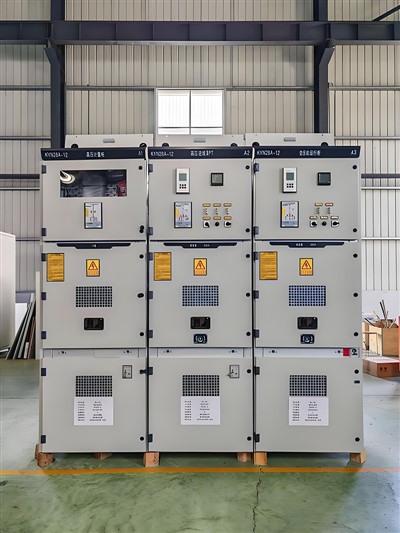
Understanding the Importance of Ventilation in Distribution Chambers
Before delving into the improvement methods, it’s crucial to understand why ventilation is so important in distribution chambers. Electrical equipment generates heat during operation. If this heat is not effectively removed, it can lead to a significant increase in temperature within the chamber. High temperatures can cause insulation materials to degrade, reduce the efficiency of electrical components, and even trigger short – circuits or fires.
Proper ventilation helps to maintain a stable temperature within the distribution chamber, ensuring the reliable operation of electrical equipment. It also helps to remove moisture, dust, and other contaminants that can accumulate over time and cause damage to the equipment.
Assessing the Current Ventilation System
The first step in improving the ventilation effect is to conduct a thorough assessment of the existing ventilation system. This includes checking the size and number of ventilation openings, the condition of ventilation fans, and the overall airflow pattern within the chamber.
Measure the size of the ventilation openings. If they are too small, they may restrict the airflow, preventing efficient heat dissipation. Count the number of fans and check their operation. Faulty or under – powered fans can significantly reduce the ventilation efficiency. Use an anemometer to measure the airflow velocity at different points within the chamber to identify areas with poor airflow.
Optimizing Ventilation Openings
One of the simplest ways to improve ventilation is to optimize the ventilation openings. Ensure that the openings are large enough to allow sufficient air to enter and exit the chamber. The size of the openings should be determined based on the heat load of the electrical equipment and the volume of the chamber.
Install louvers or grilles on the ventilation openings to prevent the entry of dust, debris, and small animals. However, make sure that these protective devices do not significantly restrict the airflow. Regularly clean the louvers and grilles to maintain their effectiveness.
In some cases, it may be necessary to add additional ventilation openings. This can be especially beneficial in larger distribution chambers or those with high heat – generating equipment. When adding new openings, consider the location and orientation to promote natural convection and improve the overall airflow pattern.
Selecting and Maintaining Ventilation Fans
Ventilation fans play a vital role in enhancing the ventilation effect. When selecting fans, consider the following factors:
- Airflow Capacity: Choose fans with sufficient airflow capacity to meet the ventilation requirements of the distribution chamber. The airflow capacity is usually measured in cubic feet per minute (CFM). Calculate the required CFM based on the heat load and volume of the chamber.
- Static Pressure: Fans need to overcome the resistance of the ventilation system, such as the resistance of ducts and louvers. Select fans with appropriate static pressure capabilities to ensure effective operation.
- Energy Efficiency: Opt for energy – efficient fans to reduce operating costs. Look for fans with high efficiency motors and aerodynamic designs.
Regular maintenance of ventilation fans is also essential. Clean the fan blades regularly to remove dust and dirt, which can reduce the fan’s efficiency. Check the motor bearings and lubricate them if necessary. Replace any worn – out parts promptly to prevent fan failures.
Implementing Natural Ventilation Strategies
In addition to mechanical ventilation, natural ventilation can be an effective and cost – efficient way to improve the ventilation effect. Natural ventilation relies on the principles of buoyancy and wind pressure to create airflow.
Design the distribution chamber to take advantage of natural ventilation. For example, position the ventilation openings on opposite sides of the chamber to create a cross – ventilation effect. This allows fresh air to enter from one side and hot air to exit from the other side.
Install vents at different heights within the chamber. Hot air rises, so placing vents near the top of the chamber can help to expel the hot air more effectively. At the same time, lower – level vents can allow fresh air to enter.
Controlling Airflow and Temperature
To ensure optimal ventilation, it’s important to control the airflow and temperature within the distribution chamber. Install temperature sensors and airflow sensors to monitor the conditions inside the chamber. These sensors can provide real – time data on temperature and airflow velocity, allowing for timely adjustments.
Use a control system to regulate the operation of ventilation fans based on the temperature and airflow readings. For example, the fans can be set to start automatically when the temperature exceeds a certain threshold and stop when the temperature drops below a safe level. This not only improves the ventilation effect but also helps to save energy.
Reducing Heat Generation
Another approach to improving the ventilation effect is to reduce the heat generation within the distribution chamber. This can be achieved by:
- Proper Equipment Sizing: Ensure that the electrical equipment is properly sized for the intended load. Oversized equipment can waste energy and generate unnecessary heat, while undersized equipment may overheat due to excessive load.
- Efficient Equipment Selection: Choose energy – efficient electrical equipment. Modern equipment often incorporates advanced technologies that can reduce power consumption and heat generation.
- Regular Equipment Maintenance: Keep the electrical equipment in good working condition. Dirty or worn – out components can increase the resistance and heat generation. Regularly clean and inspect the equipment to ensure its optimal performance.
Sealing and Insulation
Proper sealing and insulation of the distribution chamber can also contribute to improved ventilation. Seal any gaps or cracks in the chamber walls, doors, and windows to prevent the leakage of air. This helps to maintain a more stable airflow pattern and reduces the infiltration of outside contaminants.
Insulate the chamber walls and ceiling to reduce heat transfer from the outside environment. This can help to keep the temperature inside the chamber more stable, reducing the load on the ventilation system.
Monitoring and Evaluation
Once the ventilation improvements have been implemented, it’s important to continuously monitor and evaluate the ventilation effect. Regularly measure the temperature and airflow within the chamber to ensure that the desired conditions are being maintained.
Collect feedback from the users of the distribution chamber. They may notice changes in the equipment performance or the overall environment, which can provide valuable insights into the effectiveness of the ventilation improvements.
Based on the monitoring and evaluation results, make any necessary adjustments to the ventilation system. This may involve fine – tuning the fan operation, adjusting the ventilation openings, or making further changes to the equipment layout.
Conclusion

Improving the ventilation effect of a distribution chamber is a multi – faceted task that requires a comprehensive approach. By assessing the current system, optimizing ventilation openings, selecting and maintaining ventilation fans, implementing natural ventilation strategies, controlling airflow and temperature, reducing heat generation, and ensuring proper sealing and insulation, you can significantly enhance the ventilation efficiency and the overall performance of the distribution chamber.
Distribution Box As a distribution chamber supplier, I’m committed to providing high – quality products and solutions that meet the ventilation needs of our customers. If you’re interested in improving the ventilation of your distribution chamber or are considering purchasing a new distribution chamber, I encourage you to contact us for a detailed discussion. We can work together to develop a customized ventilation solution that suits your specific requirements.
References
- Electrical Equipment Ventilation Handbook, Industry Standard Publication
- Guidelines for Ventilation in Industrial Facilities, National Research Council
- Best Practices for Distribution Chamber Design and Operation, Professional Electrical Engineering Association
Anhui Nanxian Electric Co., Ltd.
With abundant experience, we are one of the most professional distribution chamber manufacturers and suppliers in China. We warmly welcome you to buy advanced distribution chamber for sale here and get quotation from our factory. All customized products are with high quality and low price.
Address: Factory Unit 03-2, Building 21, Feidong Yinfeng Industrial Park Co., Ltd., Northeast Corner of Manquan Road and Changle Road, Hefei Circular Economy Demonstration Park, Feidong County, Hefei City, Anhui Province.
E-mail: 541580567@qq.com
WebSite: https://www.nxelepower.com/
