In the world of mechanical components, washers play a vital role, often serving as unsung heroes in ensuring the functionality, stability, and longevity of various assemblies. As a long – term supplier of washers, I’ve had the privilege of witnessing firsthand the diverse applications of these small yet crucial parts. Among the many types of washers available, the distinction between soft and hard washers is significant, both in terms of their physical properties and their practical uses. In this blog, I will delve into the fundamental differences between soft and hard washers, exploring their characteristics, applications, and how to choose the right type for specific needs. Washers

Material Characteristics
Soft Washers
Soft washers are typically made from materials with relatively low hardness and high ductility. Common materials include rubber, silicone, cork, and some soft metals like copper. These materials are known for their ability to deform easily under pressure. For example, rubber washers are highly elastic and can conform to irregular surfaces. This property allows them to create a tight seal, preventing the leakage of fluids or gases in plumbing and automotive applications.
Cork washers, on the other hand, are porous and compressible. They can absorb vibrations and provide a cushioning effect, which is useful in applications where shock absorption is required, such as in machinery or electrical equipment. Soft metal washers, like those made of copper, are malleable and can fill small gaps between mating surfaces, ensuring a more even distribution of pressure.
Hard Washers
Hard washers are usually fabricated from materials with high hardness and low ductility. Steel is one of the most commonly used materials for hard washers, especially high – carbon steel and stainless steel. These materials are strong and resistant to wear, deformation, and corrosion. High – carbon steel washers are extremely hard and can withstand high levels of pressure without losing their shape. They are often used in heavy – duty applications, such as in the construction of bridges, buildings, and large machinery.
Stainless steel washers are not only hard but also have excellent corrosion resistance. This makes them ideal for use in harsh environments, including marine applications, where exposure to saltwater and other corrosive substances is common. Additionally, hardened alloy washers are available for specialized applications that require even greater strength and durability.
Physical Properties
Compressibility
One of the most obvious differences between soft and hard washers is their compressibility. Soft washers are highly compressible. When a load is applied, they can deform and spread out to fill gaps and irregularities in the mating surfaces. This property allows them to form a tight seal, which is essential for preventing leaks in systems that handle liquids or gases.
For example, in a water – pipe connection, a rubber washer is compressed between the pipe fittings. The washer deforms to adapt to the shape of the surfaces, creating a watertight seal. In contrast, hard washers have very low compressibility. They are designed to maintain their shape under load and provide a stable bearing surface. They do not deform significantly, which is important in applications where precise alignment and a constant force are required.
Elasticity
Soft washers exhibit high elasticity. Rubber and silicone washers, for instance, can return to their original shape after being deformed by a load. This elasticity allows them to maintain a seal over time, even if there are minor movements or vibrations in the assembly. Soft washers can also absorb shock and vibration because of their elastic nature.
Hard washers, however, have low elasticity. Once they are deformed beyond their elastic limit, they will not return to their original shape. Instead, they may experience plastic deformation, which can affect their performance. In applications where the load is relatively constant and there is no need for shock absorption, the low elasticity of hard washers is not a drawback but rather a feature that ensures a stable and reliable connection.
Surface Finish and Friction
Soft washers often have a relatively smooth surface finish, which can reduce friction between the washer and the mating surfaces. This is beneficial in applications where there is relative movement between parts, as it helps to prevent wear and tear. For example, in a rotating shaft, a soft washer can act as a lubricated interface, reducing friction and heat generation.
Hard washers, on the other hand, may have a rougher surface finish in some cases. This is because they are designed to grip the mating surfaces and prevent slippage. In applications where high torque is applied, such as in bolted connections, the increased friction provided by hard washers helps to keep the connection tight and secure.
Applications
Soft Washers
Soft washers are widely used in applications where sealing, vibration absorption, and cushioning are required. In plumbing, rubber washers are essential for creating watertight and airtight seals in faucets, pipes, and valves. They prevent leaks and ensure the efficient operation of the plumbing system.
In the automotive industry, soft washers are used in various components, such as engine gaskets, fuel lines, and hydraulic systems. They help to prevent the leakage of fluids and reduce noise and vibration. In consumer electronics, cork or silicone washers are used to absorb shock and protect delicate components from damage caused by vibrations or impacts.
Hard Washers
Hard washers are commonly used in applications that require high strength and stability. In construction, steel washers are used in bolted connections to distribute the load evenly and prevent the bolts from pulling through the material. They are also used in heavy machinery, such as cranes and excavators, where they provide a stable bearing surface for high – load components.
In the aerospace industry, hardened alloy washers are used in critical applications where reliability and durability are of utmost importance. These washers can withstand extreme temperatures, pressures, and mechanical stresses, ensuring the safety and performance of the aircraft.
Choosing the Right Washer
Selecting the appropriate washer for a specific application requires careful consideration of several factors. First, the operating environment is crucial. If the application involves exposure to corrosive substances, a stainless steel hard washer or a corrosion – resistant soft washer may be required. For applications where there are vibrations or shocks, a soft washer with good shock – absorbing properties is a better choice.
The type of load is another important factor. If the load is high and constant, a hard washer can provide the necessary strength and stability. For applications where the load is variable or where a tight seal is required, a soft washer may be more suitable. The mating surfaces also need to be taken into account. If the surfaces are irregular, a soft washer can better conform to the shape and provide a better seal.
As a washer supplier, I understand the importance of choosing the right product for the job. Our extensive range of washers includes both soft and hard options, made from various materials to meet different customer needs. Whether you are working on a small DIY project or a large – scale industrial application, we can provide you with high – quality washers that are tailored to your specific requirements.
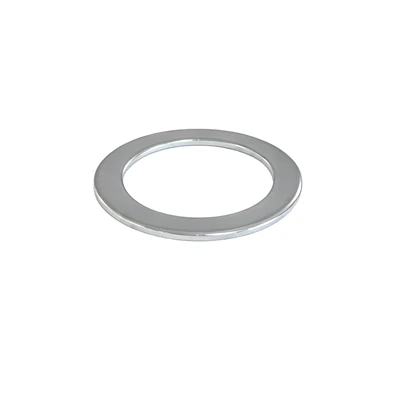
If you are in the process of selecting washers for your project or have any questions about the differences between soft and hard washers, our team of experts is here to help. We can offer professional advice on material selection, sizing, and installation. By partnering with us, you can ensure that you get the best – fitting washers for your application, which will ultimately lead to improved performance, reliability, and cost – effectiveness.
External Circlips Reach out to us to start a discussion about your washer needs. We look forward to the opportunity to work with you and help you find the perfect washers for your projects.
References
- Machinery’s Handbook, 30th Edition. This comprehensive reference book provides detailed information on engineering materials, including those used for washers, as well as manufacturing processes and design considerations.
- ASME Standards for Fasteners and Washers. These standards outline the specifications and requirements for different types of washers, ensuring their quality and compatibility in various applications.
Anhui Pins Metal Products Co., Ltd.
With abundant experience, we are one of the most professional washers manufacturers and suppliers in China. Please rest assured to buy high quality washers made in China here from our factory. For custom service and OEM&ODM service, contact us now.
Address: No. 381 Yangqiao Road, Quanjiao County, Chuzhou City, Anhui Province. Postal Code:239500
E-mail: info@chn-pins.com
WebSite: https://www.chn-pins.com/
