What are the environmental protection requirements for port machinery?
As a seasoned provider of port machinery, I’ve witnessed firsthand the profound transformation in the industry’s attitude towards environmental conservation. Gone are the days when the primary concerns of port operations centered solely on efficiency and throughput. Today, the focus has shifted to integrating sustainable practices into every aspect of port machinery design, production, and operation. This shift is not just a passing trend; it’s a necessary response to the growing global awareness of environmental issues and the urgent need to protect our planet for future generations. Port Machinery

Energy Efficiency
One of the most critical environmental protection requirements for port machinery is energy efficiency. Ports are energy-intensive operations, with machinery consuming vast amounts of power for loading, unloading, and transporting goods. By improving the energy efficiency of port machinery, we can significantly reduce greenhouse gas emissions and minimize the environmental impact of port operations.
For example, electrical systems in port machinery are undergoing a revolution. Traditional diesel-powered equipment is being gradually replaced with electric alternatives, which offer numerous environmental benefits. Electric machinery produces zero direct emissions at the point of use, reducing air pollution in and around ports. Additionally, electric motors are generally more efficient than diesel engines, resulting in lower energy consumption and operating costs.
To further enhance energy efficiency, many modern port machines are equipped with regenerative braking systems. These systems capture the energy generated during braking and convert it back into usable electricity, which can then be stored or fed back into the grid. This not only reduces energy waste but also provides a valuable source of renewable energy for other port operations.
Emission Reduction
In addition to energy efficiency, reducing emissions from port machinery is another crucial aspect of environmental protection. Diesel engines, in particular, are a major source of air pollutants such as particulate matter (PM), nitrogen oxides (NOx), and sulfur oxides (SOx), which can have serious health and environmental impacts. To address this issue, strict emission standards have been implemented in many countries and regions.
As a port machinery supplier, we are committed to meeting and exceeding these emission standards. Our research and development team is constantly exploring new technologies and solutions to reduce emissions from our machinery. For instance, we are investing in the development of advanced aftertreatment systems, such as diesel particulate filters (DPFs) and selective catalytic reduction (SCR) systems, to remove harmful pollutants from engine exhaust gases.
We are also exploring the use of alternative fuels, such as liquefied natural gas (LNG) and hydrogen, in our port machinery. These fuels have significantly lower emissions compared to diesel and can help ports achieve their environmental goals. LNG, for example, produces up to 25% less carbon dioxide emissions, 85% less nitrogen oxide emissions, and almost zero particulate matter emissions compared to diesel.
Noise Reduction
Noise pollution is another significant environmental concern in ports. The constant operation of port machinery can generate high levels of noise, which can have a negative impact on the health and well-being of port workers and nearby communities. To address this issue, noise reduction has become an important environmental protection requirement for port machinery.
At our company, we understand the importance of reducing noise emissions from our machinery. We use advanced noise reduction technologies in the design and manufacturing of our products, such as sound insulation materials and vibration damping systems. These technologies help to minimize the noise generated by the machinery during operation, creating a more pleasant and sustainable working environment.
In addition to technological solutions, we also provide training and guidance to our customers on how to operate and maintain the machinery in a way that minimizes noise emissions. This includes proper lubrication, regular maintenance, and the use of appropriate operating procedures.
Waste Management
Effective waste management is essential for minimizing the environmental impact of port operations. Port machinery generates a variety of waste streams, including scrap metal, lubricants, and hydraulic fluids. If not properly managed, these waste streams can pose a significant risk to the environment.
As a port machinery supplier, we are committed to promoting sustainable waste management practices. We design our machinery to be easily disassembled and recycled at the end of its life cycle, ensuring that valuable materials can be recovered and reused. Additionally, we provide our customers with guidelines on how to safely handle and dispose of waste generated by the machinery.
We also encourage our customers to implement waste reduction and recycling programs in their ports. By reducing waste generation and increasing recycling rates, ports can minimize their environmental footprint and contribute to a more sustainable future.
End-of-Life Management
The end-of-life management of port machinery is another important aspect of environmental protection. When a piece of port machinery reaches the end of its useful life, it is essential to dispose of it in an environmentally responsible manner. This includes proper decommissioning, dismantling, and recycling of the machinery.
At our company, we offer end-of-life management services to our customers. Our team of experts will work with the customer to develop a customized end-of-life plan that ensures the safe and environmentally friendly disposal of the machinery. This includes the proper removal of hazardous materials, the recycling of valuable components, and the disposal of any remaining waste in accordance with local regulations.
By providing end-of-life management services, we help our customers to comply with environmental regulations and reduce the environmental impact of their port operations.
Conclusion
In conclusion, the environmental protection requirements for port machinery are becoming increasingly stringent. As a port machinery supplier, we recognize the importance of meeting these requirements and are committed to developing and supplying sustainable port machinery solutions.
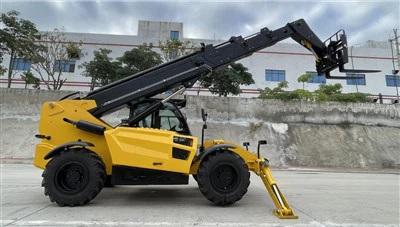
By focusing on energy efficiency, emission reduction, noise reduction, waste management, and end-of-life management, we can help ports to minimize their environmental footprint and contribute to a more sustainable future. Our efforts not only benefit the environment but also enhance the competitiveness of our customers by reducing operating costs and improving the overall efficiency of port operations.
Electric Heavy Duty Forklift If you are in the market for port machinery and are looking for a supplier that is committed to environmental protection, we would love to hear from you. Our team of experts can provide you with more information about our sustainable port machinery solutions and help you to find the right equipment for your needs. Contact us today to start a discussion about your port machinery requirements.
References
- International Maritime Organization (IMO). (2023). Guidelines for the Development of Port Environmental Management Systems.
- European Union. (2023). Directive 2016/2284/EU on the limitation of emissions of certain pollutants into the air from maritime transport.
- United Nations Environment Programme (UNEP). (2023). Global Environment Outlook 6: Healthy Planet, Healthy People.
Fujian SOCMA Machinery Manufacture Co., Ltd.
Fujian SOCMA Machinery Manufacture Co., Ltd. is one of the most professional port machinery manufacturers and suppliers in China. We warmly welcome you to buy customized port machinery made in China here from our factory. If you have any enquiry about cooperation, please feel free to email us.
Address: Taiwanese Investment Area, Quanzhou, Fujian, China
E-mail: marketing@socmamarketing.com
WebSite: https://www.socma-forklift.com/
