As a supplier of Oxford fabric, I’ve had the privilege of delving deep into the world of this remarkable textile. Oxford fabric is renowned for its durability, comfort, and versatility, making it a popular choice for a wide range of applications, from clothing and bags to upholstery and outdoor gear. One of the key factors that contribute to the unique characteristics of Oxford fabric is its distinctive weave pattern. In this blog post, I’ll take you on a journey to explore the weave pattern of Oxford fabric, its history, and its significance in the textile industry. Oxford Fabric
Understanding the Basics of Weave Patterns
Before we dive into the specifics of the Oxford fabric weave pattern, it’s essential to have a basic understanding of how weave patterns work. In the world of textiles, a weave pattern refers to the way in which warp (lengthwise) and weft (crosswise) yarns are interlaced to create a fabric. Different weave patterns result in fabrics with varying properties, such as strength, texture, and appearance.
The three most common basic weave patterns are the plain weave, twill weave, and satin weave. In a plain weave, the warp and weft yarns alternate over and under each other in a simple, checkerboard-like pattern. This results in a strong, durable fabric with a relatively smooth surface. The twill weave, on the other hand, features a diagonal pattern created by passing the weft yarn over one or more warp yarns before going under. Twill fabrics are known for their durability and characteristic diagonal lines. Satin weaves have a smooth, lustrous surface and are created by floating the warp or weft yarns over several other yarns before interlacing.
The Oxford Fabric Weave Pattern
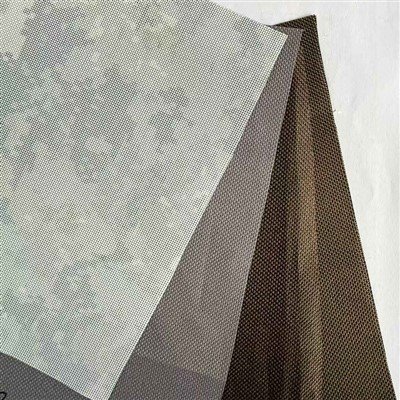
The Oxford fabric weave pattern is a variation of the plain weave, but with a distinct difference. In a traditional plain weave, each warp yarn alternates over and under a single weft yarn, creating a balanced and uniform fabric. In the Oxford weave, however, two or more warp yarns are grouped together and interlaced with the weft yarns in a specific pattern.
Typically, in an Oxford fabric, two warp yarns are paired and then woven with the weft yarns. The weft yarn passes over the paired warp yarns in a way that creates a small, basket-like effect. This gives the fabric a slightly textured surface and a more relaxed, casual appearance compared to a standard plain weave fabric.
One of the key features of the Oxford fabric weave pattern is its softness. The paired warp yarns and the resulting basket-like structure allow for more movement and flexibility in the fabric, making it comfortable to wear. Additionally, the Oxford weave provides good breathability, as the open structure allows air to circulate through the fabric.
History and Origins of Oxford Fabric
The history of Oxford fabric dates back to the 19th century in England. It was initially developed at the University of Oxford, hence the name. The fabric was originally used for making shirts, especially for students and faculty at the university. Its durability, comfort, and relatively affordable cost made it a popular choice for everyday wear.
Over time, the popularity of Oxford fabric spread beyond the university campus and into mainstream fashion. It became a staple in men’s and women’s casual wear, as well as in the production of bags, accessories, and home textiles. Today, Oxford fabric is produced all over the world, with different variations and qualities available to suit a wide range of applications.
Variations of the Oxford Fabric Weave Pattern
While the classic Oxford fabric features a two-ply warp yarn weave, there are several variations of the Oxford weave pattern that have emerged over the years. These variations allow for different textures, weights, and appearances, making Oxford fabric even more versatile.
- Pinpoint Oxford: This is a finer version of the traditional Oxford fabric. It uses a higher thread count, resulting in a smoother, more refined surface. Pinpoint Oxford is often used for dress shirts, as it has a more polished appearance compared to regular Oxford fabric.
- Herringbone Oxford: This variation combines the characteristics of the Oxford weave with the herringbone pattern. The herringbone pattern adds a decorative element to the fabric, making it suitable for more formal or stylish applications, such as blazers or jackets.
- Twill Oxford: As the name suggests, this type of Oxford fabric incorporates elements of the twill weave. The resulting fabric has the durability and diagonal texture of a twill, along with the softness and breathability of an Oxford weave. Twill Oxford is commonly used in workwear and outdoor clothing.
Advantages of Oxford Fabric Weave Pattern
The unique Oxford fabric weave pattern offers several advantages that make it a preferred choice for many applications:
- Durability: The paired warp yarns in the Oxford weave provide extra strength and resistance to wear and tear. This makes the fabric suitable for heavy-duty use, such as in bags, upholstery, and outdoor gear.
- Comfort: The soft, breathable nature of the Oxford fabric makes it comfortable to wear, even in warm weather. The basket-like structure allows for better air circulation, reducing the likelihood of sweating and discomfort.
- Versatility: Oxford fabric can be used in a wide variety of applications, from casual clothing and bedding to industrial and outdoor products. Its ability to be dyed and printed easily also adds to its versatility, allowing for a wide range of color and design options.
- Aesthetic Appeal: The textured surface and relaxed appearance of Oxford fabric give it a unique aesthetic appeal. It has a casual, yet sophisticated look that can enhance the overall design of a product.
Applications of Oxford Fabric
Thanks to its many advantages, Oxford fabric is used in a diverse range of applications:
- Clothing: Oxford fabric is commonly used for making shirts, both for men and women. It is also used in the production of pants, shorts, jackets, and other casual wear items. The comfort and durability of the fabric make it suitable for everyday use.
- Bags and Accessories: Its strength and resistance to abrasion make Oxford fabric an ideal choice for bags, backpacks, totes, and wallets. The fabric can also be printed or embossed with logos and designs, making it popular for promotional and branding purposes.
- Upholstery: Oxford fabric is often used for upholstering furniture, such as sofas, chairs, and ottomans. Its durability and easy maintenance make it a practical choice for high-traffic areas.
- Outdoor Gear: The water-resistant and breathable properties of Oxford fabric make it suitable for outdoor applications, such as tents, awnings, and camping equipment. It can also be used in the production of sports gear, such as uniforms and equipment bags.
Conclusion
In conclusion, the weave pattern of Oxford fabric is what gives it its unique characteristics and makes it such a versatile and popular textile. From its humble beginnings at the University of Oxford to its widespread use in various industries today, Oxford fabric has come a long way. The distinctive basket-like structure created by the paired warp yarns provides durability, comfort, and aesthetic appeal, making it suitable for a wide range of applications.
Oxford Fabric If you’re in the market for high-quality Oxford fabric, I invite you to contact us to discuss your specific needs. We offer a wide selection of Oxford fabrics in different weights, colors, and patterns, and we’re committed to providing our customers with the best products and services. Whether you’re a clothing manufacturer, a bag designer, or an upholsterer, we have the right fabric for you. Let’s work together to bring your ideas to life!
References
- Textile Institute. "Handbook of Textile Weaving." Woodhead Publishing, 2012.
- Horrocks, A. R., & Anand, S. C. (Eds.). "The Handbook of Technical Textiles." Woodhead Publishing, 2000.
- Vincent, L. J. "Textile Science and Technology." Wiley-Interscience, 1994.
Dongyang Huangxiu Leather & Plastic Co., Ltd.
With abundant experience, we are one of the most professional oxford fabric manufacturers in China. We warmly welcome you to wholesale customized oxford fabric made in China here from our factory. If you have any enquiry about quotation and free sample, please feel free to email us.
Address: Huangxiu Leather & Plastic Products, No. 79 Shunda Road, Huashui Town, Dongyang City, Zhejiang Province
E-mail: x372921764@163.com
WebSite: https://www.huangxiutextile.com/
