If you’ve ever stood on the sidelines of a trail race, watched a cyclist squint through crosswind, or seen a basketball player adjust their sunglasses mid-drive, you’ve probably wondered why “one-size-fits-all” sport eyewear never works. For the past eight years, I’ve run a sport eyewear supply business, working closely with pro athletes, weekend warriors, and school sports programs to solve that exact problem: adjustability isn’t a fancy marketing buzzword—it’s the difference between eyewear that stays on face, protects eyes, and doesn’t become a distraction when you’re competing. Today, I’m breaking down what sport eyewear adjustability actually means, the science behind it, and why it’s non-negotiable for anyone who moves their body hard. Sport Eyewear
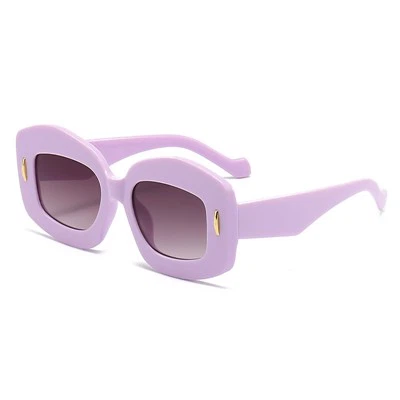
First, let’s get this straight: not all adjustability is the same. I’ve had customers come to me with generic sport sunglasses that either slip down their nose during a 5k or dig behind their ears during a long bike ride, and they assume the fix is just “changing the arms.” But adjustability spans three core areas: fit, lens, and coverage—and getting each right depends on the specific sport you’re playing.
Starting with fit, the most fundamental piece of adjustability for sport eyewear is the temple (arm) and nose pad system. Most casual sunglasses have fixed arms and soft plastic nose pads that are meant for sitting at a café, not sprinting. For sports, especially high-motion activities like trail running, soccer, or motocross, your face moves. Your jaw clenches, your head tilts, and sweat rolls down your nose. If your eyewear doesn’t adjust to counter that, it’s either flying off or tight enough to leave red marks after an hour.
The best adjustable sport eyewear uses what’s called “injected thermoplastic temples” with a small, flexible hinge that lets you bend the arms to fit different head shapes, plus interchangeable nose pads. I don’t just offer these as add-ons—we test them with every sport because one nose pad size doesn’t work for everyone. A runner with a narrow, high bridge needs a smaller, more rigid pad to prevent slipping, while a football lineman with a wider, lower bridge needs a larger, softer pad that won’t pinch when he’s wearing a helmet. Last year, I worked with a college cross country team that was cycling through three pairs of generic sunglasses per season because they kept slipping on wet runs. Once we switched to our adjustable nose pad system, they went six months without a single breakage or adjustment complaint. That’s the real win: adjustability isn’t about tweaking a knob—it’s about matching the eyewear to the unique contours of an athlete’s face and their movement.
Next, lens adjustability, which is where most people see the biggest benefit, but also where there’s a lot of misinformation. Casual sunglasses come with one tint, but sport depends on light conditions. A cyclist riding at 6 a.m. on a cloudy morning needs a different lens than the same cyclist riding at noon on a sunny road, or at dusk when the light is fading. Adjustable lens systems solve this by letting you swap lenses quickly and easily, without tools. This isn’t just convenience—it’s safety. Studies from the American Academy of Ophthalmology show that unregulated exposure to bright sunlight during sports can increase risk of cataracts and macular degeneration over time, while too-dark lenses in low light can lead to eye strain and even temporary vision impairment that causes accidents.
I’ve seen this play out firsthand with a mountain biker client who crashed during a trail race because he was wearing a dark tinted lens when a storm rolled in mid-race. After that, he switched to our sport eyewear with magnetic lens adjustability—he can swap a dark smoke lens for a clear or amber lens in 10 seconds flat, no need for special tools. The key here is that adjustability has to be secure, too. Bad magnetic lenses pop out if you hit a tree branch, but our system is designed to stay locked in during impacts, so you don’t have to worry about losing protection mid-activity. We also offer polarized and photochromic lens options for adjustable systems, so athletes can pick what works for their sport without committing to one set of lenses. For example, a golfer might prefer a polarized lens to cut glare off the green, while a runner might use a photochromic lens that adjusts tint automatically as light changes. The adjustability here means they don’t have to buy two separate pairs of eyewear for different conditions—one pair does it all.
Third, coverage adjustability, which is often overlooked but critical for high-impact sports like basketball, volleyball, or rock climbing. Generic wrap-around sunglasses come in one size, but faces and movement patterns vary. A basketball player jumping for a rebound might get hit in the face, and eyewear that doesn’t have adjustable side shields can leave gaps where wind, dust, or even a stray finger gets in. That’s not just annoying—it can lead to eye injuries, which are one of the most common sports-related eye problems according to the U.S. Eye Injury Registry.
Our adjustable sport eyewear line has side shields that tilt out or in, so you can customize the wrap to match your face. For a volleyball player, tilting the side shields slightly out keeps peripheral vision open so they can see their teammates, while a climber needs the shields tight to keep rock dust out of their eyes. We also offer adjustable nose bridges for coverage: for athletes who wear prescription eyewear, we have adjustability that lets the eyewear sit slightly further out from the face to fit over glasses, without causing gaps or slipping. I worked with a high school wrestler last year who had to wear goggles over his regular glasses because sport sunglasses wouldn’t fit over them, which made his vision blurry. We adjusted the nose bridge and arm length of our eyewear, and he’s been using them for matches and practice ever since—no more goggle lines slipping down, no more blurry vision mid-takedown.
Now, let’s talk about the science that makes this adjustability work, because it’s not just bending plastic. Sport eyewear adjustability has to meet specific performance standards, most importantly from the International Organization for Standardization (ISO) which sets rules for eye protection in sports. For example, ISO 18527-2 covers performance requirements for sports sunglasses, including impact resistance, UV protection, and fit. Our adjustable system is tested to meet these standards because when you adjust fit, lens, or coverage, you can’t compromise on protection. I’ve had other suppliers try to cut corners by making adjustable systems that are lighter, but that means less impact resistance—we test every adjustable component to make sure it can withstand a 22mm steel ball traveling at 15.8 m/s, which is the standard for high-impact sports like football or lacrosse.
Another key scientific point is ergonomics. Sport eyewear adjustability has to integrate with how athletes move, not against it. That means the adjustment points (the temple hinges, nose pad tabs, lens latches) should be easy to reach with gloved hands, sweaty hands, or even when you’re holding a water bottle. A lot of adjustable eyewear has tiny screws or levers that you have to fumble with, which is useless when you’re mid-race. Our system uses tool-free, snap-in adjustments that you can do with one hand, even if you’re wearing workout gloves. We also test adjustability with different face shapes and sizes—from youth athletes with growing faces to adult athletes with larger or narrower heads—so every customer can find a fit that works, not just the average.
I wish I could say adjustability is something all sport eyewear suppliers prioritize, but it’s not. Many companies make generic, one-size-fits-most eyewear because it’s cheaper to produce, even if it doesn’t work for the end user. As a supplier, I’ve built my business around changing that because I know how much a good pair of adjustable sport eyewear can improve performance and protect vision. I’ve seen a runner hit a PR because their sunglasses didn’t slip, a soccer player avoid an eye injury because their adjustable side shields blocked a stray elbow, a cyclist finish a century ride without adjusting their eyewear once. That’s the value of adjustability—it’s not a luxury, it’s a performance tool.
If you’re an athlete, a coach, or a team equipment manager, I know choosing the right sport eyewear can feel overwhelming. There are hundreds of brands, different lens types, different styles. But the first question you should ask is: is this adjustable? Not just does it bend, but does it adjust for my face, my sport, and the conditions I compete in? That’s what separates a good pair of sport sunglasses from a pair that works for a coffee run or a casual walk.
For anyone looking for adjustable sport eyewear that’s tested, durable, and tailored to performance, I invite you to reach out and start a conversation. Whether you’re ordering for a single team, a league, or a personal bulk order, we can work with you to pick the right adjustability features for your specific sport and needs. We also offer custom branding options for teams, so you can get adjustable eyewear that fits your team’s style as well as their performance needs.
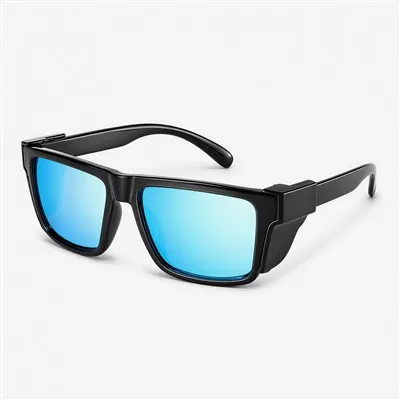
Adjustability isn’t just about making something fit—it’s about making something work for you, no matter what sport you play, what face shape you have, or what conditions you compete in. It’s the difference between eyewear that’s a distraction and eyewear that helps you perform at your best. For anyone who spends time moving their body outdoors, that’s more than just a nice-to-have—it’s essential.
Kids Sunglasses References
American Academy of Ophthalmology. (2022). Sports Eye Safety Guidelines.
International Organization for Standardization. (2021). ISO 18527-2:2021, Eye and face protection for sports use – Part 2: Sunglasses for sports.
U.S. Eye Injury Registry. (2023). Annual Report on Sports-Related Eye Injuries.
Journal of Sports Sciences. (2020). The Impact of Eyewear Fit on Athletic Performance and Comfort.
Yiwu Finewell Eyewear Co., Ltd.
Yiwu Finewell Eyewear Co., Ltd. one of the leading sport eyewear manufacturers and suppliers in China. We warmly welcome you to buy or wholesale discount sport eyewear from our factory. All customized products are with high quality and competitive price. Contact us for more details.
Address: Yiwu Wangshang Chuangye Building, No.407, Yongjun Road, Beiyuan Street, Yiwu City, Jinhua City, Zhejiang Province.
E-mail: Mariayang@ywfinewell.com
WebSite: https://www.finewelleyewear.com/
