If you’ve ever shipped temperature-sensitive cargo—pharmaceuticals, perishable food, biotech samples, or even sensitive industrial chemicals—you know that one misstep in cold chain compliance can cost thousands of dollars, destroy irreplaceable goods, or result in regulatory fines that sink small and mid-sized shippers. As a TCN TCV Seal supplier who’s worked with cold chain operators across North America and parts of Europe for the past seven years, I’ve lost count of how many times I’ve heard shippers say, “We didn’t know that seal required specific paperwork to meet compliance.” That’s why today, I’m breaking down the exact compliance requirements for TCN TCV Seal holders—no industry jargon, no vague rules, just the real stuff we walk our clients through every day. TCN TCV Seal
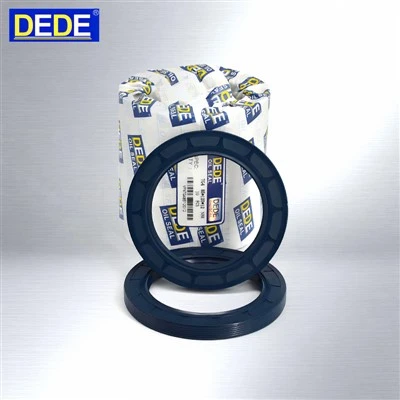
First, let’s get clear on what a TCN TCV Seal even is, because confusion here is where most compliance gaps start. TCV stands for Temperature Control Valve, and the TCV Seal is a tamper-evident, temperature-monitoring seal designed specifically for reefer containers and temperature-controlled transport units. Unlike basic bolt seals that just track if someone opened a container, the TCV Seal integrates with the TCV’s built-in temperature logging system, meaning it records when a seal is applied, when it’s removed, and (critical for compliance) the temperature of the cargo during transport. That dual function makes it a workhorse for shippers targeting GDP (Good Distribution Practices) for pharma, FDA Food Safety Modernization Act (FSMA) for perishables, and ISTA standards for transport integrity.
Now, the compliance requirements aren’t one-size-fits-all—they shift based on what you’re shipping, where it’s going, and who’s regulating the supply chain. But after working with 200+ clients from small craft food producers to large biotech labs, I can group the requirements into four non-negotiable buckets that every TCN TCV Seal holder has to meet. Let’s dive into each.
1. Pre-Transport: Seal Validation & Documentation Compliance
This is the first checkpoint, and it’s where shippers often cut corners to save time, only to face headaches at the port or during an audit. When you’re a TCV Seal holder, the seal isn’t just a plastic or metal tag you snap on—you have to validate it before application, and that comes with strict documentation rules.
First, all TCN TCV Seals must be purchased through an authorized TCN distributor or direct from TCN (that’s me, for the folks who work with small to mid-sized operators—we’re the authorized partner for the U.S. and EU markets, so I’m never shy about this). Counterfeit seals are a huge compliance risk because they don’t sync with the official TCV logging system, and they won’t hold up to FDA or MHRA audits. I’ve had a client who bought “similar” TCV Seals online to save $0.50 per seal, only to have their $200k vaccine shipment rejected at JFK because the seal didn’t register in the TCV’s temperature log. That’s a $200k mistake for $0.50.
Next, pre-transport documentation: every seal must be registered to a unique cargo unit, and you have to record the seal number, container number, receiver’s name, and the pre-loading temperature of the cargo. For pharma shippers targeting GDP, this registration has to be done in the TCN’s official cloud portal within 2 hours of seal application—no exceptions. The FDA requires these records to be retained for 1 year post-delivery, and the MHRA in the UK requires them to be retrievable within 24 hours of an audit. I always tell clients to save the seal registration confirmation as a PDF, not just a screenshot, because screenshots get corrupted during audit submissions.
Another pre-transport rule: temperature calibration of the seal and TCV. The TCV Seal’s temperature sensor has to be calibrated every 12 months, per ISO 17025 standards. Most shippers don’t realize that when they buy a TCN TCV Seal, it comes with a 12-month calibration tag, and if that tag is expired, the seal’s temperature readings aren’t considered valid for compliance. We send a reminder email 90 days before a seal’s calibration is due to all our clients, because missing that deadline is an automatic non-conformity in most supply chain audits.
2. In-Transit: Tamper-Evidence & Temperature Data Integrity
Once the seal is applied and the container is on the move, the compliance requirements shift to making sure the seal isn’t tampered with, and the temperature data it records is unaltered. This is where the TCV Seal’s design is built for compliance, but holders still have to follow rules to keep that data valid.
First, tamper-evidence must be maintained at all times. The TCV Seal has a unique break-point design—if someone tries to remove it without the official TCV tool, it shatters into pieces, so you can’t reapply it. But here’s the fine print: if the seal breaks accidentally during transit (like a dock worker dropping a crate on the door), you have to document the incident, notify the receiver and the TCN support team within 1 hour of discovering it, and replace the seal within 48 hours. The data from the broken seal has to be kept as part of the shipping records, even if it’s partial, because regulators want to see that you reported a potential integrity breach. I once had a produce shipper who waited 5 days to report a broken seal, and their FSMA audit flagged that as a major non-conformity, resulting in a $12,000 fine for failing to maintain cargo security.
Then, temperature data integrity. The TCV Seal logs temperature every 5 minutes (you can adjust that to 1 minute for high-risk pharma, but the default is 5, per ISTA 7 standards). The data has to be downloaded at the origin, at every port of call, and at the final destination—no exceptions. For cross-border shipments, customs agents in the EU and U.S. require a copy of the temperature data from the seal to clear the cargo. If you can’t provide that data, the cargo can be held or destroyed. I worked with a small craft chocolate producer last year who was shipping to Canada; they didn’t download the seal data at Detroit, so Canadian customs held their 12 pallets of chocolate for 3 days while they waited for the data, costing them $8,000 in lost product and storage fees.
Another key in-transit rule: no unauthorized access to the seal’s programming. The TCV Seal’s temperature threshold is set at the origin, and only the registered shipper or receiver can adjust it with the official TCV app. If a third party (like a trucking company driver) adjusts the threshold without permission, that data is flagged as altered, and it’s considered a compliance breach. We train all our clients to share the official TCV app access only with authorized personnel, and we provide a free 30-minute training session for every new client to walk them through setting access permissions.
3. Post-Delivery: Record Retention & Audit Readiness
Most shippers think the compliance work ends when the cargo is delivered, but that’s the biggest mistake. Post-delivery, TCN TCV Seal holders have to meet strict record retention rules, and be ready for audits at any time.
First, record retention timelines. For pharma shipments targeting GDP (EU GDP Annex 11), you have to retain seal registration, temperature data, breakage reports, and calibration records for 5 years. For U.S. FSMA and FDA-regulated food shipments, it’s 2 years. For general cargo (like industrial parts that aren’t temperature-sensitive), it’s 1 year. I always advise clients to use the TCN cloud storage, which automatically organizes all seal records by shipment date and type, because trying to dig through 1,000 manual files for an audit is a nightmare. We had a client who stored their seal records in a shoebox of printed documents, and during an FDA audit, they lost 3 years of records after a pipe burst in their warehouse. They had to pay $25,000 in fines because they couldn’t produce the required seal data.
Second, post-delivery seal disposal. Once the seal is removed at the final destination, you can’t just throw it in the trash. For GDPR-compliant shipments (most EU-based shippers), the seal contains a small amount of data that’s linked to personal or business information of the shipper and receiver, so you have to either return the seal to TCN for secure disposal, or shred it at a certified document destruction facility. Throwing it in a regular trash bin is a GDPR violation, and we’ve had clients fined €3,000 for that in the Netherlands last year.
Another post-delivery requirement: corrective action reports if temperature deviations occur. If the seal’s data shows a temperature spike outside the allowed range (say, a reefer unit breaks down and cargo reaches 8°C for 2 hours when it should be kept at 2°C), you have to create a corrective action report within 72 hours of delivery. The report has to include details on what caused the deviation, when it happened, what steps you took to fix it, and how you’re preventing it from happening again. Regulators look for these reports as proof that you’re not just tracking data, but actually improving your supply chain. A client of ours had a temperature deviation on a biotech shipment, and they submitted a report that only said “unit failed”—the FDA rejected it, and they had to re-submit a detailed report that included maintenance records for the reefer unit, resulting in a 2-week delay in their shipment approval.
4. Industry-Specific Add-Ons: Pharma, Food, and General Cargo
Wait, one size doesn’t fit all—these are the base requirements, but if you’re shipping specific goods, there are extra compliance rules. For pharma, the TCV Seal has to be listed in the FDA’s Drug Supply Chain Security Act (DSCSA) database, which means all seal numbers have to be linked to the unit’s serial number for traceability. For food, FSMA requires that the seal’s temperature data is available in a machine-readable format for food safety inspectors. For general cargo, if you’re shipping hazardous materials, the seal has to be certified by the International Air Transport Association (IATA) to meet dangerous goods transport rules. I always tell clients to ask us for a customized compliance checklist based on their cargo type, because cutting corners here can lead to costly delays.

Now, I know what some of you are thinking: this sounds like a lot of work. But here’s the thing: the TCV Seal was designed to make compliance easier, not harder. I’ve worked with clients who used basic seals and spent 10+ hours a week organizing compliance records, and after switching to TCV Seals, they cut that time down to 1 hour a week because all the data is stored automatically in the cloud. The compliance rules aren’t meant to make your life miserable—they’re meant to protect your cargo, your reputation, and your bottom line.
Stainless PTFE Shaft Seal If you’re a TCN TCV Seal holder (or thinking of becoming one) and you want to make sure you’re meeting all the requirements, we’re here to help. We offer free compliance consultations for all our clients, customized checklists, and 24/7 support for any seal or TCV-related questions. Whether you’re a small craft producer just getting into cold chain shipping or a large pharma company with weekly cross-border shipments, we can help you avoid the mistakes that get shippers fined or lose cargo. Reach out to us to discuss your specific needs, and we’ll walk you through every step to keep your shipments compliant.
References
- TCN. (2023). TCV Seal Compliance Guide for Shippers. TCN Global Logistics Standards.
- U.S. Food and Drug Administration (FDA). (2022). Cold Chain Security Requirements for Temperature-Regulated Products.
- European Medicines Agency (EMA). (2021). GDP Annex 11: Computerized Systems and Record Keeping.
- Food and Drug Administration (FDA). (2020). FSMA Produce Safety Rule: Sanitary Transport Requirements.
- International Safe Transit Association (ISTA). (2022). ISTA 7: Standard for Performance-Based Testing of Temperature-Controlled Shipping Systems.
DEDE SEAL Co., Ltd.
DEDE Seal Co., Ltd. is one of the most experienced tcn tcv seal manufacturers and suppliers in China for over 35 years, featured by quality products and good price. Please feel free to buy bulk customized tcn tcv seal made in China here from our factory. Welcome to contact us for pricelist.
Address: Hunan Road, Pudong New Area, Shanghai, China
E-mail: info@dedeseal.com
WebSite: https://www.dedesealing.com/
