If you’re running a pyrolysis plant, there’s no way around it—you’ll hit snags eventually. Whether you’re processing waste plastic, tire, or biomass, these systems don’t run on autopilot, and even the most well-built setups will throw a curveball now and then. As a pyrolysis plant supplier who’s been in the thick of this for over a decade, I’ve fixed way more issues than I can count, and today I’m breaking down the most common problems, why they happen, and how to solve them fast—no fancy engineering degree required. Pyrolysis Plant
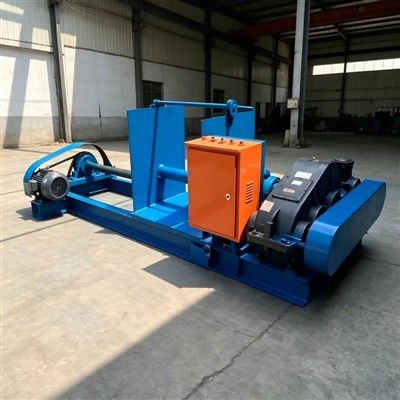
First off, let’s get one thing straight: most pyrolysis plant problems aren’t secret, random glitches. They’re usually tied to small, easy-to-overlook habits or adjustments. I’ve seen new plant operators panic when their oil yield drops by 10% one week, only to realize they crammed too much wet tire into the reactor. These are fixable, and I’m going to walk you through each step like I’m talking to a buddy who just bought their first plant.
Low Oil Yield: The #1 Headache We Fix Every Month
Let’s start with the big one—low oil yield. This is the complaint we hear more than any other, and it’s rarely a sign your plant is broken. Let’s break down the root causes:
Most of the time, it’s feedstock quality. If your waste plastic has leftover moisture or food residue, that water will turn to steam in the reactor, taking up space that should be for vaporized oil. Same goes for tires with steel wire still attached—those bits don’t vaporize, so you’re loading the reactor with stuff that doesn’t contribute to oil. A lot of new operators skip the feedstock prep step to save time, but that’s a mistake. I’ve had a customer in Ohio cut feedstock drying time from 24 hours to 12 to rush a big order, and his oil yield dropped 15% that month. When he went back to full drying, it jumped right back up.
Another hidden cause? Reactor temperature drift. Pyrolysis works best when the reactor hits a steady 450–500°C for plastic/tire processing. If the temperature swings by 50°C or more—say, it drops to 400°C when you’re loading a batch too fast—the oil vapor doesn’t release properly. It might condense into a sticky sludge in the lines instead of making it to the oil tank. How to fix this? Invest in a basic PID temperature controller (we include these as standard on all our plants, but if you’re running a used setup, pick one up for $200–300). It will keep the heat consistent, so you don’t have to stare at the thermometer every 10 minutes.
Pro tip I tell all new operators: test a small batch first. Take 50 lbs of your feedstock, dry it fully, run it at steady temp, and measure your oil yield. That number is your baseline. If it drops below that, you know exactly where to look—either feedstock or heat.
Bad Non-Condensable Gas (NCG) Management: Why Your Plant Stops Running
If you’ve ever had your plant shut down mid-cycle because of a pressure alarm, NCG is almost certainly the culprit. NCG is the gas that’s left after you condense the oil—stuff like methane, propane, and carbon monoxide. It’s flammable, and if you don’t vent it properly, pressure builds up in the reactor, triggering a safety lockout.
Here’s the mistake most people make: they either vent NCG straight to the atmosphere (which is bad for the environment and wastes energy) or they try to burn it all in the burner, which overloads the system. The sweet spot is recycling 50–70% of NCG back to the reactor burner. That cuts your fuel costs in half, prevents pressure spikes, and keeps your plant running steady. I had a customer in Texas who was venting NCG for months, wasting $800 a month on diesel for his burner. We adjusted his NCG line to redirect 60% back, and his fuel bill dropped to $300. The pressure alarms stopped too.
If you’re still getting pressure spikes, check your condenser lines. Over time, small tar particles can build up in the pipes, slowing down condensation and making more NCG. A 15-minute cleanup after every 10 batches will prevent that. I keep a small brush and a can of compressed air in my toolbox just for that—way easier than dealing with a shutdown.
Solid Char Output: Sticky, High-Moisture Stuff That’s Hard to Sell
Char is the solid byproduct of pyrolysis, and if it’s too wet or sticky, you can’t sell it for top dollar. I’ve had operators tell me their char is so sticky it’s clogging their discharge chute, and they’re stuck dumping it instead of making extra cash. The fix here is feedstock moisture and cooling rate.
If your feedstock is more than 1% moisture, the char will absorb that water, making it heavy and sticky. Dry your feedstock to 0.5% max, and you’ll get a dry, crumbly char that’s easy to bag or sell as fuel or soil amendment. Another trick: slow down the cooling process for the char. If you yank it out of the reactor too fast, it can react with oxygen and turn into a fine powder (which is still sellable, but not as versatile as dense char). Let it cool in a sealed cooling chamber for 2 hours after discharge, and you’ll get a uniform, high-quality product.
One of my regular customers in Florida makes over $1,500 a month from char sales—he sells it to local farms for soil enrichment. When he first started, his char was too wet, and he was only getting $500. He added a small solar-powered dryer for his feedstock, and the difference was night and day.
Equipment Clogs: The #1 Avoidable Maintenance Issue
Clogs in lines, discharge chutes, or the condenser are annoying, but they’re 100% preventable. Most clogs come from not screening your feedstock properly. If your feedstock has big chunks of plastic or tire, they can get stuck in the reactor or the outlet lines. A 1-inch mesh screen for plastic, or a 2-inch screen for tires, will catch those big chunks before they go into the system. I’ve seen a customer in Georgia skip the screen because he “didn’t have time,” and his plant was down for 3 days cleaning out a clogged condenser. That 10-minute screen setup would have saved him thousands in lost production.
Another easy clog spot: the oil outlet. If you don’t change the filter in the oil line every 5 batches, tar particles will build up and block it. We include free replacement filters with every plant we sell, and I tell customers to keep a stack on hand—changing it takes 2 minutes, no tools needed.
Safety Checks: Don’t Skip These Daily Steps
Before I wrap up, I need to talk about safety—because a lot of these problems can be avoided with 5 minutes of checks every morning. Every day before starting the plant:
- Check all seals on the reactor and lines. A small leak can let oxygen in, which is a fire risk and will mess with your oil yield.
- Test the pressure relief valve. It should open at 2 bar—if it’s sticking, replace it immediately. We make pressure relief valves easy to install on all our plants, and they’re cheap insurance.
- Make sure your NCG vent is clear. A blocked vent is a disaster waiting to happen.
I’ve seen too many operators cut corners on daily checks, and it always comes back to bite them. One customer in Mexico skipped checking the seal on his reactor, and air got in during a cycle, causing a small fire that burned half his lines. He told me later he’d skipped the check to get an extra batch in that day—never again.
When to Call the Pros (And When You Can Fix It Yourself)
Here’s the thing: most pyrolysis plant problems are DIY fixes, even if you’re new. If you’re having low yield, check your feedstock and temperature. If you’re getting pressure alarms, adjust your NCG recycling. If char is sticky, dry your feedstock. The only time you should call a specialist is if you’re getting weird noises from the reactor (grinding, banging) or if the temperature controller stops working entirely.
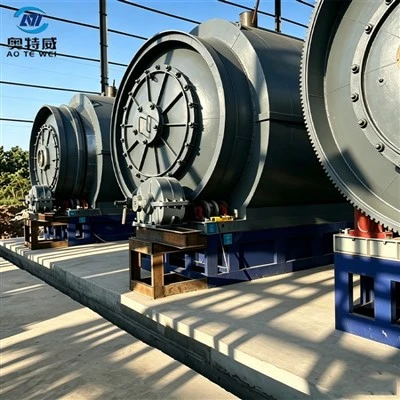
As a pyrolysis plant supplier, I don’t just sell equipment— I help operators keep it running. We offer 24/7 phone support for all our customers, and we’ll walk you through any fix step by step, even if you bought a plant from someone else. A lot of suppliers will sell you a plant and vanish, but that’s not how I work. I’ve got a team of technicians who’ve fixed plants in 12 different countries, and we’re here to help when you get stuck.
Distillation Plant If you’re thinking about investing in a pyrolysis plant, or you’ve got one that’s been acting up, don’t struggle alone. We’ve helped hundreds of operators boost their yields, cut maintenance costs, and turn waste into profit. Whether you’re just starting out or looking to upgrade your existing setup, reach out to us to talk through your goals and figure out the right plant for you.
References
- ASTM International. Standard Guide for Pyrolysis of Waste Materials, ASTM E1961-18, 2018.
- Zhang, Y., et al. “Effect of Feedstock Moisture on Pyrolysis Oil Yield from Waste Tires.” Journal of Analytical and Applied Pyrolysis, vol. 127, 2017, pp. 245–251.
- Sharma, A. K., et al. “Non-Condensable Gas Management in Small-Scale Pyrolysis Plants: A Case Study.” Waste Management & Research, vol. 36, no. 10, 2018, pp. 921–928.
- European Commission. Best Available Techniques (BAT) Reference Document for Waste Treatment, 2019.
Shangqiu Aotewei Environmental Protection Equipment Co., Ltd.
Shangqiu Aotewei Environmental Protection Equipment Co., Ltd. is one of the most professional pyrolysis plant manufacturers and suppliers in China, also supports customized service. Please feel free to buy CE approved pyrolysis plant at competitive price from our factory. Welcome to contact us for pricelist.
Address: No.88 Longhai Road, Liangyuan District, Shangqiu City, Henan Province, China
E-mail: colin@henanpower.com.cn
WebSite: https://www.aoteweitech.com/
