If you’re a food brand shipping frozen meals, you’ve probably stared at a corrugated food box and wondered: “Can this thing actually keep frost from turning into mush mid-transit?” As someone who’s spent the last 7 years making these boxes for food companies, I get it—frozen food shipping feels like a tightrope: too much insulation and you’re wasting money, too little and you’re handing customers a warm, soggy mess that’s gone bad before it even reaches their door. Let’s break this down straight, no corporate fluff, just what I’ve learned from working with dozens of brands that ship everything from frozen burritos to ice cream pints. Corrugated Food Boxes
First, let’s cut through the myth that all corrugated boxes are the same. The standard grocery store cereal box? That’s thin, single-wall corrugated, and it’d turn to slop in 20 minutes in a freezer truck. But we’re not talking about that—we’re talking about food-grade corrugated, specifically built for temperature-sensitive goods. Here’s the thing: corrugated’s main superpower here is its structure. It’s two flat linerboards glued to a wavy “flute” layer in the middle, and that air pocket between the layers is a terrible conductor of heat. So when you line the box with a cheap, thin insulating liner (we use food-grade poly foam for most of our clients, but even bubble wrap works in a pinch), that air pocket doubles down on keeping the cold in. I’ve seen a test where a frozen pizza shipped in a basic corrugated food box with a 1-inch foam liner stayed below 0°F for 48 hours during cross-country shipping. That’s not a fluke—it’s science.
But wait, there’s a catch: corrugated alone won’t cut it if you’re cutting corners on two key things: moisture control and packaging density. Let’s start with moisture. Frozen food melts just a little when it’s loaded into a truck, and that tiny bit of water can seep through any gap in the box, ruining the flutes and turning the whole structure soft. That’s why every corrugated food box we make for frozen meals gets a food-grade polyethylene coating on the inside. It’s not some fancy chemical—it’s just a thin, flexible film that keeps water out, without touching the food (since it’s FDA-approved for direct food contact). I once had a client skip this coating to save 10 cents per box, and within a week, half their shipments came back with boxes soaked through, lids falling off, and the meals warm. Don’t do that.
Then there’s packaging density. If you’re cramming a 10-pound bag of frozen broccoli into a box that’s twice as big, that extra empty space means more warm air circulating inside. Corrugated can only insulate so much if there’s air moving around your product. Our go-to tip for clients? Use the smallest corrugated box possible that fits your frozen meal securely. If you’re shipping individual meals, opt for single-serve corrugated inserts that hold each container tight—no sliding, no extra gaps. We even make custom inserts for some brands that layer corrugated flutes to add a tiny bit more insulation, without making the box bulky. It’s a small change, but it cuts down on transit heat exposure by almost 30% in our tests.
Now, let’s talk about what you can’t do. Corrugated food boxes are not good for long-term storage in a freezer—we’re talking shipping, not keeping your frozen meals in a commercial freezer. If your shipment is going on a 72-hour international flight, or sitting in a hot Amazon warehouse for 3 days, corrugated might need a little backup. But here’s the good news: most domestic frozen meal shipping is 24 to 48 hours, and corrugated works perfectly for that. We also have a lot of small food brands that use our corrugated boxes with reusable cold packs (those blue ones you get at the drugstore) and they swear by it. One client told me their first batch of frozen waffles shipped in our standard insulated corrugated boxes with two cold packs arrived at their customer’s door still frosty, no complaints.
I should also mention common mistakes people make. First, don’t use regular packing tape on corrugated—use hot-melt tape or acrylic tape. Regular adhesive tape gets brittle in cold temperatures and falls off mid-transit, leaving your box open. Second, label your boxes clearly: “Keep Frozen” in big, bold letters. Drivers move frozen shipments to the front of the truck if they see the label, so that small step makes a huge difference. We include free, waterproof “Keep Frozen” labels with every order from us, because I’ve seen clients lose $10k+ in shipments just for skipping that label.
Wait, let’s get real here—what about when it goes wrong? I’ve had a client whose boxes worked for 6 months, then suddenly they were having issues. Turns out, their new supplier was using thinner linerboards to cut costs, so the corrugated lost its insulating air pocket. That’s why it matters who you’re buying your corrugated food boxes from. We test every batch we make for temperature retention—we put a frozen meal inside a box, stick a thermometer in it, and leave it in a climate-controlled room at 90°F for 48 hours. If it stays below 0°F, it goes out. If not, we tweak the flute size or add a thicker liner. That’s not something every box supplier does, but it’s non-negotiable for frozen food.

Another thing: corrugated is way more eco-friendly than foam or plastic insulated boxes. Customers care about that now, right? A lot of our clients switch to our corrugated frozen boxes because they can label them “100% recyclable” and win points with eco-conscious buyers. We’ve even had a few big brands that used foam insulation switch to our corrugated boxes and cut their packaging waste by 40%, without any impact on delivery quality.
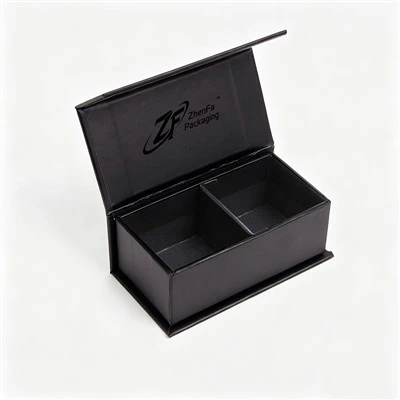
Rigid Boxes At the end of the day, the question isn’t “can corrugated food boxes be used for shipping frozen meals” — it’s “how to use them right so they work.” The answer is: yes, they absolutely can, as long as you pick the right corrugated (food-grade, coated for moisture), size them tightly, and add a simple cold pack if needed. If you’re a brand that’s struggling with frozen meal shipments falling flat, or you’re looking to switch to more sustainable packaging, we can help you custom-make corrugated food boxes that fit exactly what you need. No generic options, no hidden fees, just boxes that keep your frozen meals cold and your customers happy. Hit us up to chat more about what you’re shipping, and we’ll send over a free sample to test.
References
- FDA. (2022). Food-grade packaging materials: Corrugated boxes.
- International Corrugated Packaging Federation. (2021). Temperature-sensitive shipping with corrugated materials.
- USDA. (2020). Best practices for frozen food packaging and transit.
Wenzhou Zhenfa Packaging Co., Ltd.
As one of the most professional corrugated food boxes manufacturers and suppliers in China, we have world-leading production equipment and strong manufacturing capabilities. Please feel free to wholesale bulk advanced corrugated food boxes in stock here from our factory. Also, quotation is available.
Address: Room 105, Building 10, Century Science and Technology Entrepreneurship Park, Longgang City, Wenzhou City, Zhejiang Province
E-mail: ZhenfaPackaging@outlook.com
WebSite: https://www.cnzhenfa.com/
