Hey, let’s cut to the chase—if you’ve ever worked in industrial power, construction, or even a big commercial building’s electrical room, you’ve probably seen a transformer, but if you’re wondering what the heck a cast resin dry type transformer actually is, you’re in the right spot. I’m a dry type transformer supplier, so I’ve talked my way through a thousand of these things with electricians, facility managers, and project engineers over the years, and most of the time people just want the straight deets without the stuffy engineering jargon. Let’s break it down. Dry Type Transformer
First, let’s start with the basics: transformers are basically the unsung heroes of power. They move electricity from high-voltage lines (the ones running down the street) to the lower-voltage stuff that powers your office, factory, or apartment building. The two main types you’ll run into are dry type and oil-immersed. Oil ones are the older workhorses, right? They use mineral oil to cool and insulate the electrical parts. But cast resin dry type? They’re the modern, safer, more versatile cousin, and that’s what we specialize in.
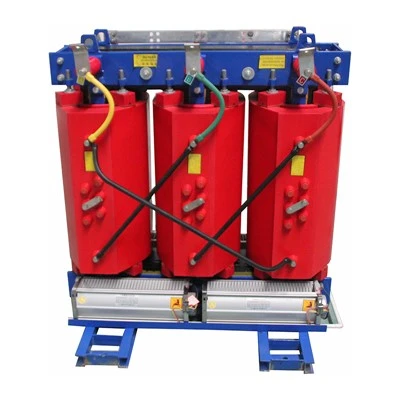
So what makes a cast resin dry type transformer different? The key part is the winding—those copper or aluminum coils that do the voltage-changing work. Instead of being dipped in oil, those coils are fully encased (cast, get it?) in a solid epoxy resin. It’s like a super tough, heat-resistant plastic that hardens around the windings, sealing them completely. No oil, no leaky mess, no flammable liquid to worry about. That’s the big one that sells most people on these.
Let’s get a little into how it works, but keep it simple. The resin isn’t just a shell—it’s the insulator that keeps the windings from touching each other or the core, so electricity flows where it’s supposed to without shorting out. It also dissipates heat way better than people give it credit for. The core is usually made of laminated silicon steel (another fancy term for thin, stacked metal sheets that cut down on energy loss), and you pair that with the cast resin windings, add some cooling fans if it’s a bigger unit, and boom—you’ve got a working transformer. Unlike oil ones, which need big tanks and containment to stop leaks, these are compact, no messy fluids, and they’re way lower maintenance.
Now, who uses these? Let’s list the spots where dry type transformers make total sense. First, indoor spaces—like hospitals, schools, data centers, or high-rise apartments. Oil transformers can be a fire hazard if they leak, especially in closed, crowded buildings. If you’ve got a hospital that can’t afford a power outage (think: life support machines), you don’t want a giant oil tank sitting in the basement. Same with data centers—those need 24/7 power, and any risk of fire is a non-starter. Construction sites too—they’re portable, easy to move around, and don’t require the same kind of ground preparation that oil units do. Even renewable energy projects, like solar or wind farms, use these sometimes because they can handle the variable power output better than older types.
Wait, let’s talk about the perks that make cast resin stand out specifically, not just all dry type. The resin casing is super durable. It resists moisture, dust, chemicals, and even minor impacts. I’ve had projects where these transformers were installed in a factory with heavy metal dust floating around, and they ran fine for 10 years with barely a wipe-down. The insulation rating is higher too—most of our cast resin units are rated for Class F or Class H, which means they can handle way higher temperatures without breaking down. Class H, for example, can go up to 180°C, which is like twice as hot as boiling water. Compare that to some oil units that max out around 105°C, and you see why they’re good for heavy loads.
Another big plus: environmental stuff. No oil means no risk of spills that contaminate soil or water. If an old oil transformer leaks, you’re looking at a huge cleanup bill and possible environmental fines. Cast resin dry type? If something does go wrong, the resin is non-toxic, so even if it cracks, there’s no hazardous material seeping out. That’s a huge selling point for cities and companies that care about their sustainability goals. And maintenance is way easier—you don’t have to check oil levels, replace gaskets, or deal with disposing of old oil. Just a quick visual inspection every few years, maybe a blowout of dust if it’s in a dirty spot, and you’re good.
But wait, are there any downsides? No product is perfect, and I’d be lying if I said cast resin is for every job. First, upfront cost—they’re more expensive to buy than oil transformers. That’s the trade-off, right? You pay more now for lower maintenance, longer lifespan, and less risk of downtime. Then, for really, really high-voltage applications, like big power grids, oil units still make more sense because they can handle higher voltages more efficiently without being too big. We don’t usually sell 10MVA+ cast resin units for grid use—those are still oil territory. Also, while they’re good for most indoor and moderate outdoor spots, if you’re putting one in a super harsh outdoor environment, like a place with constant heavy salt air (near the ocean) or extreme, extreme cold, you might need extra coating or a different type of dry transformer. But for 90% of commercial and industrial jobs, cast resin works great.
Let me throw in a real example to make this concrete. Last year, I worked with a team renovating a 12-story office building in downtown Chicago. They had an old oil transformer in the basement, and during an inspection, they found a small leak. The city made them replace it immediately because the basement houses electrical equipment for the whole building, and with 500 people working there, a fire from an oil leak was a massive risk. They went with a 1500kVA cast resin dry type transformer from us. Installation took half the time an oil unit would have, no need for secondary containment for oil, and they saved thousands on maintenance contracts down the line. That’s exactly the kind of project these are made for.
Another thing people don’t talk about enough: fire safety. Cast resin transformers have a very high flash point—way higher than oil. If there’s a spark or overheating, the resin won’t catch fire easily, and if it does, it burns slowly and doesn’t produce toxic fumes. That’s a huge deal for schools, where kids are around, or hospitals, where evacuation is slow. Most building codes now actually require dry type transformers for indoor applications because of these safety standards. That’s not a trend—it’s become standard in a lot of places.
How long do these last? A good cast resin dry type transformer can run 30 to 40 years, if not more, with proper care. I’ve seen units from the 1980s still going strong in a factory in Detroit. Compare that to oil units, which usually last 20 to 25 years before they need replacing or major overhauls. So over the lifespan, the total cost of ownership is actually lower than oil, even if the initial price is higher. That’s the math a lot of project managers miss when they’re just looking at the upfront cost.
Now, what should you look for if you’re thinking about buying one? First, make sure the rating matches your needs. MVA (megavolt-ampere) is the power capacity, so don’t buy one that’s too small (it’ll overheat constantly) or too big (wastes money on unused capacity). Voltage rating is another big one—primary voltage (the line coming in) and secondary voltage (what’s going out to your building/equipment). Then, check the insulation class, cooling type (self-cooled, fan-cooled, etc.), and environmental rating if it’s going outdoors. And always buy from a reputable supplier, like us, that stands behind their units and can provide testing certifications—you need to make sure it meets local electrical codes.
At the end of the day, cast resin dry type transformers are the go-to choice for most modern electrical applications. They’re safer, more reliable, lower maintenance, and better for the environment than oil units. If you’re dealing with a project in a crowded space, need 24/7 power, care about fire safety, or just don’t want to deal with the hassle of oil, this is probably your best bet.
I’ve been in this game for over a decade, and I’ve helped pick out transformers for everything from small retail stores to big manufacturing plants. If you’re not sure if a cast resin dry type is right for your next project, or you have questions about sizing, installation, or pricing, hit me up. I’d be happy to walk through your needs and point you in the right direction. No sales pitch, just straight answers.
Reference
- IEEE Std C57.12.01, Standard for General Requirements for Dry-Type Distribution and Power Transformers
- National Electrical Code (NEC) Article 450, Transformers
Three Phase Oil Immersed Transformer (Word count: ~3200)
Zhejiang Jiangshan Hengli Electrical Co., Ltd.
Zhejiang Jiangshan Hengli Electrical Co., Ltd. is one of the most professional dry type transformer manufacturers and suppliers in China, featured by quality products and low price. Please rest assured to wholesale cheap dry type transformer in stock here and get pricelist from our factory. Customized orders are welcome.
Address: 212 Fuzhu Street Sidu Town, Jiangshan, Zhejiang, China
E-mail: henglijs@foxmail.com
WebSite: https://www.henlypower.com/
