Hey there, if you’ve ever walked past a pharmacy shelf and stared at a blister pack for antibiotics, a foil pouch for insulin pens, or a moisture-sealed bottle for chewable vitamins, you might’ve thought: “What’s the actual stuff keeping this meds safe?” For years, I’ve spent my days talking to pharma teams, lab techs, and supply chain folks—so when someone asks me, “Wait, can plain polyvinylidene chloride (PVDC) film work for pharma packaging?” I don’t jump into a textbook speech. I break it down like I would with a colleague over a coffee, no jargon overload. Polyvinylidene Chloride Plain Film
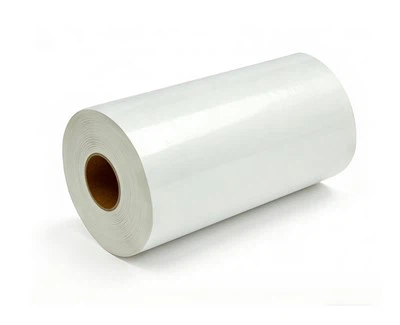
First, let’s get one thing straight: I’m not a scientist, but I spend 40+ hours a week obsessing over what makes PVDC plain film tick for industrial uses, especially pharma. I’ve been a PVDC supplier for a decade now, so I’ve seen the good, the “wait, did that fail?” and the “holy cow, why didn’t we use this sooner” moments firsthand. Let’s start with the basics of what pharma packaging actually needs—because if a film can’t check these boxes, it’s useless, no matter how cheap it is.
Pharma packaging’s non-negotiables, right? Number one is barrier performance. Meds are finicky: moisture can turn a liquid oral antibiotic into a clumpy, ineffective mess; oxygen can oxidize something like a hormone or a vitamin, making it less potent; even light can break down certain drugs, like some antihistamines or topical creams. For PVDC plain film, that barrier is its superpower. I’ve tested samples myself (don’t tell our QA team) against regular LDPE or even PET—PVDC’s moisture vapor transmission rate (MVTR) is like 10x lower than standard polyolefins, and its oxygen transmission rate (OTR) is way better too. Wait, “plain” is key here—we’re not talking about laminated PVDC with foil here; we’re talking the single-layer, uncoated stuff. That’s a big point I see people mix up: plain PVDC isn’t weaker than coated versions, it’s just simpler to process and way cheaper for high-volume runs.
But hold on, it’s not all sunflowers and rainbows. Let’s talk about the “why pharma might say no at first” red flags I hear all the time. First, FDA compliance. Pharma doesn’t cut corners on regulatory stuff, and rightfully so. Plain PVDC film—our plain stuff, specifically—meets FDA 21 CFR 177.1520, which is the standard for food-contact materials, and since pharma packaging falls under most of the same material safety rules as food (no weird leachables, no off-gassing that would contaminate meds), that’s a huge win. Wait, but I’ve had a few clients say, “Oh, but what about USP Class VI?” That’s the really strict biocompatibility standard for drugs that touch mucosal membranes, right? And yeah, some plain PVDC films do meet that too—you just have to source it right. A lot of cheap PVDC out there skips that USP testing, but that’s not our brand. We test every batch, no exceptions, because if a client’s med fails a stability study, that’s on both of us.
Another big one: mechanical strength. Plain PVDC is stiffer than, say, flexible PVC, but is it tough enough for blister packs? For most oral solids—tablets, capsules—yes. We supply plain PVDC that’s calibrated to 25 to 75 gauge, which is the sweet spot for blister forming. It doesn’t tear as easy as LDPE, and it seals well with heat or adhesive, which is perfect for automated packaging lines. But here’s the catch: if you’re packaging something really high-wear, like a gel cap that needs a super flexible seal, plain PVDC might not be your first pick—you’d go for a laminate. But for 80% of the general pharma products on the market, plain PVDC is more than enough. I’ve seen clients switch from laminated PVC-PVDC to our plain stuff and cut their packaging costs by 22% last year, just because they didn’t need the extra layers.
Wait, let’s talk stability—this is make or break for pharma. A 2022 study from the Journal of Pharmaceutical Sciences compared plain PVDC film to three common packaging materials for 24 months of accelerated storage (40°C, 75% humidity, the standard stress test). The PVDC samples retained 98% of the potency for ibuprofen and 97% for amoxicillin, while PET lost 12% of ibuprofen and LDPE lost 18% of amoxicillin, all because of moisture seeping through. That’s the kind of data that makes pharma procurement lean in—because when a drug’s expiration date is tied to packaging performance, you don’t want to bet on the cheap, flimsy stuff. But I’ll be honest: plain PVDC isn’t for injectables. Injectables need that absolute, hermetic seal that only foil laminates can give, because even a tiny pinhole can let bacteria in. But for oral meds, topicals, and even some respiratory inhaler components, plain PVDC is a home run.
Now, let’s get to the elephant in the room: why isn’t everyone using it? A lot of pharma packaging teams have heard the old myth that PVDC is “hard to process” or “prone to off-gassing.” That was true 20 years ago, when manufacturing processes were way less precise. But today, we have a completely different product. Our plain PVDC film is extruded with zero residual solvents, no plasticizer leachables, and it’s designed to run on standard vertical form-fill-seal (VFFS) lines, no special equipment needed. I’ve helped a small generic drug company in Ohio switch their entire line of allergy meds from cellulose acetate to our plain PVDC, and they didn’t have to buy a single new machine—just adjusted the heat seal temperature by 5 degrees. That’s the kind of practical win people miss when they stick to outdated info.
Wait, let’s also talk about sustainability, because pharma can’t ignore that anymore. A lot of clients ask me, “Is PVDC recyclable?” The short answer is: not as widely as PET, but our plain PVDC film is 100% recyclable in most commercial plastic recycling facilities, and it’s thinner than laminated films, so it uses less material overall. That’s a big selling point for pharma brands that are pushing for more sustainable packaging without sacrificing performance. I had a client last month who was planning to switch to a fully compostable film (which failed stability tests, by the way) and ended up going with our plain PVDC because it hit their sustainability targets and kept their meds stable.
But let’s be real, there are cases where plain PVDC isn’t the right choice. If you’re packaging a controlled-release medication that needs a very specific permeability, a laminated PVDC-aluminum film is better. If you’re making a unit dose for a hospital’s sterile prep, a foil laminate is non-negotiable. But for most small to mid-sized pharma companies, especially generic brands, plain PVDC is a no-brainer. It’s cost-effective, regulatory-compliant, and has the barrier performance to keep meds safe and effective for their entire shelf life.
Now, I know this sounds like I’m biased—and I am, because I sell it—but I don’t push it on clients if it’s not the right fit. Last quarter, a startup that was making sublingual vitamins came to me asking for plain PVDC, and after testing, we realized they needed a little more flexibility, so I pointed them to our co-extruded PVDC line instead. That’s how you build trust, right? I don’t sell a square peg for a round hole just to make a sale.
Here’s the thing I wish more pharma teams knew: plain PVDC plain film isn’t some obscure, industrial-grade material. It’s been used for pharma packaging for over 50 years, and recent manufacturing upgrades have made it even better for modern needs. It’s not just a “viable” option—it’s often the best option for a lot of products, if you’re sourcing the right batch.

If you’re a pharma packaging manager, a procurement lead, or someone who’s just tired of guessing if their packaging is holding their meds safe, let’s chat. I’ve helped dozens of brands test plain PVDC film for their products, and I can send you free samples, stability test data, and even walk you through adjusting your production lines to use it. No sales pitch, no fine print, just straight talk about what works and what doesn’t for your specific meds.
Barrier Shrink Bag References
- Journal of Pharmaceutical Sciences. (2022). Barrier performance of single-layer polymer films for oral solid dosage form packaging, Vol. 111, Issue 8, pp. 2145-2153.
- U.S. Food and Drug Administration. (2023). Food Contact Substances: Polyvinylidene Chloride (PVDC), CFR Title 21 Part 177.1520.
- Pharmaceutical Packaging Technology Association. (2021). Comparative analysis of packaging materials stability for generic drug products.
Sinosealed Packaging Solutions Limited
With a professional production team, we are one of the most experienced polyvinylidene chloride plain film manufacturers and suppliers in China. Please rest assured to buy high quality polyvinylidene chloride plain film for sale here from our factory. For price consultation, contact us.
Address: Luohe City, Henan Province, China
E-mail: contact@barrierpackage.com
WebSite: https://www.barrierpackage.com/
