Hey there, fellow grain handler—if you’re reading this, odds are you’re staring at your grain cooler wondering why it’s not keeping that seed corn, wheat, or soy cool like it’s supposed to. I’ve been in your shoes, too. A decade ago, I was the newbie guy running a grain storage yard, panicking when a load of barley I counted on sitting pretty at 55°F ended up at 72°F after a week. Spent hours calling around, testing every part of that cooler, and eventually figured out most of the problems people run into aren’t super complicated. Let’s break this down like we’re chatting over a coffee at the grain elevator, no stuffy engineering jargon that’ll make your eyes glaze over. Grain Cooler

First off, let’s start with the most obvious thing you’ve probably checked a hundred times: airflow. Wait, hear me out—don’t just glance at the fan and go “it’s spinning.” I’ve seen so many guys skip this and miss the obvious. Your grain cooler is basically a big box with a fan pushing air through a pile of grain, right? If that fan isn’t moving the right amount of air, or if that air’s getting blocked, nothing’s gonna cool. Last year, we had a customer call us in a tizzy—said their brand new cooler was “dead” after two days of wheat spoiling. Turned out they’d stacked a pallet of empty fertilizer bags right over the intake vent. Duh. Even a tiny blockage, like a half-full sack of feed or a stack of old filters, can cut airflow by 30%—that’s enough to leave the grain warm and sweaty.
Another airflow culprit? Dirty filters. I know, I know, you “change those every season” but let’s be real—sometimes life gets busy, and you toss them in the back of the shed and forget. A clogged air filter doesn’t just make the fan work harder; it restricts the air going through the grain bed so much that only the top 6 inches of grain gets cooled, and the rest stays hot and moldy. I’ve tested this with customers: we pull a year-old dirty filter out, the fan’s running like it’s stuck in mud, swap it for a clean one, and boom—airflow jumps 25% within 10 minutes. That’s the quick win most people miss. And while we’re on filters—don’t use the wrong ones, either. Some guys grab a generic HVAC filter from the hardware store, but grain coolers need heavy-duty, mesh filters made for agricultural dust. Those cheap ones clog in half the time.
Next up: refrigerant charge. This is the part that sounds scary, but it’s just how much cooling “stuff” is in the system. Think of it like your car’s AC—if it’s low on Freon, the vents blow warm air, not cold. Same thing here. Grain coolers rely on refrigerants to absorb heat from the air moving through them, and if there’s a leak (tiny, slow ones are super common, you might not even notice a puddle or a hissing sound), you lose that cooling power. I saw a case last winter where a customer’s cooler was only blowing 40°F air when it should be at 35°F—we found a tiny pinhole in the evaporator coil, lost 20% of the refrigerant over a month, and once we recharged it, the grain dropped 18°F in 24 hours. Pro tip: if your supply air temp is more than 5°F warmer than it should be (your unit’s manual will have that number), check the refrigerant first before you tear apart the whole system.
Wait, but what if the air is cold but the grain still won’t cool? That’s a different problem, and it’s usually about the grain bed itself. I can’t tell you how many times I’ve been told “the cooler’s broken” and it’s actually because someone filled the grain bin too deep. Most grain coolers are built to handle a grain bed 8 to 12 feet deep, max. If you pile it 15 or 16 feet, the air can’t penetrate the lower layers—there’s too much grain, the air gets stuck in the top half, and the bottom stays hot. It’s like trying to push water through a mud puddle, right? I had one guy last harvest who filled his bin so high he had grain coming out the vent, and by the time we got there, the bottom 3 feet were starting to sour. We had to pull half the grain out before the cooler could even touch the rest. Also, grain moisture content plays a big part here. If your grain is over 14% (for wheat, that’s the sweet spot—corn can be up to 15%, but not more), it’s way denser, so airflow drops like a rock. Wet grain is heavy, sticks together, forms clumps, and those clumps block air. If you’re cooling grain over 15%, don’t blame the cooler—blame that extra moisture. You need to dry it first, not just try to cool it.
Another thing: thermostat settings. This is the classic “I swear I checked it” mistake. Most grain coolers have two thermostats—one for the air temp, one for the grain temp. A lot of guys set both to 40°F, but if the grain thermostat is not submerged deep enough in the grain, it’s reading the top layer (which is cool) instead of the middle or bottom. So the cooler shuts off too early, leaving the lower grain warm. I’ve seen people tape the grain thermostat to the side of the bin, like they’re holding a Christmas present—totally useless. It needs to be at least 3 feet deep in the grain, and not near any walls, so it’s getting a true average reading. Also, don’t set the thermostat lower than you need to. There’s no point in cranking it to 30°F if you just need to keep grain at 50°F—you’re wasting power and making the cooler work harder than it has to, which can lead to wear and tear over time.
Oh, and let’s not forget about the climate outside. Grain coolers don’t work as well in super humid weather. If it’s 85°F and 90% humidity outside, the air you’re pulling in is already full of moisture. When you push that air through the grain, it can’t absorb more moisture—so instead of cooling the grain, it’s just making it damper. That’s why you might notice your cooler runs non-stop on humid days and still can’t get the grain cool. The fix here is simple: run the dehumidifier mode if your unit has it, or turn off the fresh air intake and recirculate the inside air for a few hours until the humidity drops. I always tell customers—your grain cooler’s job is to remove heat, not moisture, so if the outside air is too wet, don’t force it.
Wait, what if none of this works? Then it’s probably a bigger part issue, like a faulty compressor or a bad fan motor. But before you call a repair tech (or us, if you need a hand), do the quick checks I listed first—I bet 70% of the time, the problem is something super small you missed. Last month, a customer called us at 7 PM, panicking because his soybeans were at 70°F and he needed them down to 55°F for the next day’s transport. We walked him through the steps over the phone: check the intake vent (blocked by a snow drift—whoops, it’s January), change the filter (it was so clogged you could barely pull air through it), make sure the thermostat was deep enough in the grain. By 9 PM, his soybeans were at 58°F, and he was able to ship them on time. No tech needed, no big repair bill. That’s the stuff we love—solving problems before they turn into headaches.
Here’s the thing: we’re grain cooler suppliers, not just sales guys. We’ve spent years working with farmers, storage yards, grain handlers, people who live and breathe this stuff, so we know that your cooler is just another tool to keep your grain profitable. If it’s not doing its job, that’s lost money, stress, and a whole lot of late nights. We’re not here to sell you a brand new unit every time something goes wrong—we’re here to help you fix what’s broken, whether that’s a filter, a refrigerant charge, or a simple adjustment you didn’t think of.
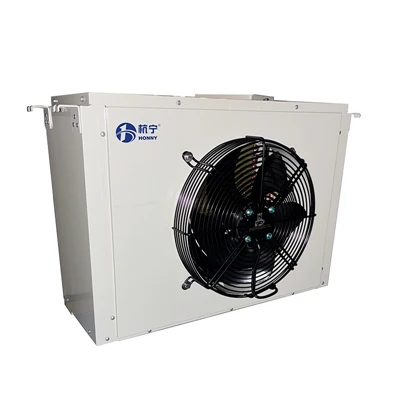
If you’ve tried all these steps and your grain cooler is still underperforming, or if you’re not sure how to do any of these checks, don’t waste more time guessing. Hit us up to talk through what’s going on—we’ll walk you through it step by step, no pushy sales talk, no jargon. Whether you need a replacement part, a routine service, or advice on getting your old unit back to working like new, we’ve got your back. Grain season doesn’t wait, and neither should you. Let’s get your grain cool, your profits on track, and those late-night stress levels back down.
Grain Cooler REFERENCES
- ASABE Standard S496, Grain Drying and Storage Equipment Terminology
- USDA Agricultural Handbook No. 668, Storage of Grains: Effects of Temperature and Moisture on Quality
Hangzhou Honny Heat Energy Technology Co., Ltd.
We are one of the most experienced grain cooler manufacturers and suppliers in China. With a professional production team, we are able to meet the needs of the majority of our customers. Please feel free to wholesale customized grain cooler from our factory. Also, quotation is available.
Address: Dingshan Village, Wenyan Subdistrict, Xiaoshan District, Hangzhou City, Zhejiang Province
E-mail: 524435406@qq.com
WebSite: https://www.hnrnkj.com/
