If you’ve ever stood by a metalworking sump tank, watching a operator grab a concentrate drum and dump straight into water without a second thought, you’ve seen the mistake that ruins hundreds of fluid performances every single day. As a metalworking fluid supplier who’s been on the floor for 18 years, I’ve seen everything from corroded machine tool spindles to tools turning dull in half the expected life, and nine times out of ten, it all traces back to a bad mix. Mixing your concentrate with water isn’t just pouring two liquids together—it’s a chemical reaction, a ratio science, and a step that can make or break your part finish, tool life, and even your bottom line. Today, I’m breaking down exactly how to do it right, no guesswork, no shortcuts, just the process we train every customer to follow when they walk into our shop. Metalworking Fluid
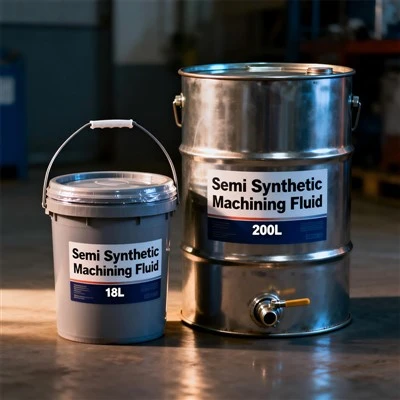
First, let’s get one thing straight: not all water is the same. A lot of operators grab whatever’s on hand—tap water from the building, well water, even soft water left over from another process—and mix it without checking. That’s a fast track to trouble. Your water’s hardness, pH level, and even mineral content directly impacts how the concentrate behaves. Soft water, for example, has low mineral content, which can cause some synthetic or semi-synthetic concentrates to foam excessively, leading to poor lubrication and even overflowing sumps. Hard water, on the flip side, has high calcium and magnesium ions that can react with the oil or additives in the concentrate to form a sludge-like residue, clogging filters and sticking to your parts. We always tell customers to test their water first, and the test takes less than two minutes. Grab a cheap hardness test strip from a local hardware store—if your reading is over 120 ppm, that’s hard water, and you might need a water softener, or at minimum, a compatibility check with your specific concentrate. pH matters too: metalworking fluids work best in a pH range of 8.5 to 9.5. If your water is below 7 (acidic) or above 10 (alkaline), it can break down the concentrate’s corrosion inhibitors before it even hits the sump. We’ve had customers come to us after months of rusty parts, only to find their water was pH 11, which neutralized the rust inhibitors in their original mix before they ever ran a part.
Next, the order of mixing is non-negotiable. I can’t count how many times I’ve watched an operator pour concentrate into water, swirl it around, and call it a day—especially when they’re in a hurry. Here’s the rule: always add water to the concentrate, not the other way around. This isn’t a arbitrary rule; it’s a chemical fact. Metalworking fluid concentrates are often high-viscosity, with a thick, oil-based or semi-synthetic base that doesn’t mix evenly when dumped into water all at once. If you pour concentrate into water, the outer layer of the concentrate can mix too fast, forming a film that traps un-diluted concentrate inside. Those pockets of undiluted fluid don’t offer the right lubrication, and they can also cause spotting on parts. When you add water to concentrate, you’re slowly breaking down the thick matrix of additives, lubricants, and corrosion inhibitors, ensuring a uniform mix every time. It’s like mixing paint: you add water to the pigment, not pigment to water, to avoid lumps. We train all our field technicians to stand with customers during the first mix to enforce this, because it’s the single most common mistake new operators make.
Now, the ratio: this isn’t a “one size fits all” number, and it’s not written on the drum for fun. The correct mix ratio depends entirely on what you’re using the fluid for. If you’re doing heavy-duty work, like turning steel on a lathe or milling titanium, you need a higher concentration—usually 8 to 10 percent. That means 8 to 10 gallons of concentrate for every 100 gallons of water. If you’re doing lighter work, like drilling aluminum or sawing mild steel, a 3 to 5 percent ratio is more than enough. Too high a ratio wastes money—concentrate costs more per gallon than water, so running a 10 percent mix for light work is just throwing cash down the drain. Too low, and you’ll get poor tool life, increased corrosion, and even bacterial growth in the sump. Bacteria love weak mixes—they feed on the leftover lubricants, multiply quickly, and turn your sump smelly and acidic, leading to rust on your machines. We always tell customers to keep a log of their ratios based on their jobs: one mix for heavy turning, another for light sawing, so they don’t guess on the floor.
So how do you measure both accurately? Eyeballing it with a bucket is a recipe for inconsistency. Instead, use a dedicated mixing pump or a ratio control valve if you have a central sump system—these tools automatically add the right amount of concentrate to water as it flows into the sump, so you never have to guess. If you’re mixing smaller batches for individual machines, use a calibrated measuring jug: mark the jug with the exact volume of concentrate you need, and another mark for water. For example, if you need a 5 percent mix, 5 gallons of concentrate to 95 gallons of water, or 5 quarts per every 10 gallons of water. Don’t use a random 5-gallon bucket to measure—you’ll be off by a quart here or there, and over time, that adds up to a bad mix. We also recommend using a refractometer to check your mix once it’s made. A refractometer is a cheap, handheld tool that measures the concentration of the fluid by its refractive index—just put a drop of your mixed fluid on the lens, look through the eyepiece, and it will tell you if you’re in the correct range. It takes 10 seconds, and it’s the best way to confirm your ratio is right, especially for critical jobs.
Wait, what about temperature? It’s easy to overlook, but water temperature impacts mixing too. If your water is too cold—below 60 degrees Fahrenheit (15 degrees Celsius)—the concentrate’s thick additives won’t dissolve properly, leading to that same trapped undiluted pockets I mentioned earlier. If your water is too hot—above 100 degrees Fahrenheit (38 degrees Celsius)—you can break down some of the heat-sensitive additives, like certain corrosion inhibitors or lubricants, rendering the mix ineffective. The ideal water temperature is between 65 and 85 degrees Fahrenheit (18 to 29 degrees Celsius). If you’re mixing in winter, let your tap water sit out for 15 minutes to warm up to room temperature, or use a small immersion heater if needed. In summer, if your well water is too warm, let it cool in a bucket before mixing. I once had a customer in Minnesota who kept complaining about poor tool life all winter, and we traced it back to using cold tap water straight from the line. Once we had him warm the water before mixing, his tool life jumped by 20 percent—no new concentrate, just adjusting the water temp.
Once your mix is made, you’re not done—you have to maintain it, too. A sump full of mixed fluid isn’t a set-it-and-forget-it system. Every time you add new parts, you’re topping off the sump with more water, which dilutes the mix over time. That’s why it’s important to test your mix weekly with that refractometer: if it drops below your target ratio, add a small amount of concentrate to bring it back up. We also recommend checking the pH and hardness monthly, and skimming the sump for tramp oil—oil from your parts or tools that floats on top, which can reduce lubrication. Tramp oil can also cause bacteria growth, so a weekly skim is a small step that keeps your mix performing for months. If your sump sits idle for more than a week, make sure to test it before using it again—standing water can grow bacteria quickly, so you may need to drain part of the sump and make a fresh mix.
I know a lot of shop floor teams see mixing as a menial task, something to rush through so they can get back to running jobs. But from our years as a metalworking fluid supplier, we’ve seen time and again that taking the extra 10 minutes to mix correctly saves far more time and money down the line. A bad mix leads to tools breaking mid-job, parts getting scrapped, machines corroding and needing expensive repairs—all of which cost way more than the extra concentrate or time spent mixing right. We don’t just sell fluids; we help our customers get the most out of their processes, and the first step is getting that mix right.
If you’re struggling with consistent mixing, or if you’re not seeing the performance you expect from your current fluid, don’t guess at the solution. Our team has decades of experience working with shops of all sizes, from small job shops to large aerospace manufacturers, and we can help you test your water, adjust your ratios, and find the right concentrate for your specific applications. Whether you need a custom mix for heavy turning or a low-foam formula for high-speed milling, we’re here to walk you through every step of the process, from mixing to maintenance.
Gasoline Engine Oil References
1.ASME B94.44-2019, Practice for Metalworking Fluids.
2.SM8-07, Standard Test Method for Hardness of Water for Metalworking Fluid Applications, International Organization for Standardization.
3.National Tooling and Machining Association (NTMA), Best Practices for Metalworking Fluid Sump Maintenance, 2022.
4.Laird, R., Metalworking Fluids: Selection, Application, and Maintenance, Industrial Press, 2021.
5.ASTM D2817-20, Standard Test Method for Stability of Water-Miscible Metalworking Fluids.
MoGen Lubricating Oils
With abundant experience, we are one of the most professional metalworking fluid manufacturers and suppliers in China. We warmly welcome you to wholesale custom made metalworking fluid from our factory. If you have any enquiry about cooperation, please feel free to email us.
Address: No.8003 Chewang Rd, Economic Development Zone Of Jinan, Shandong Province, China 250301
E-mail: sales@mogenoils.com
WebSite: https://www.mogen-oil.com/
