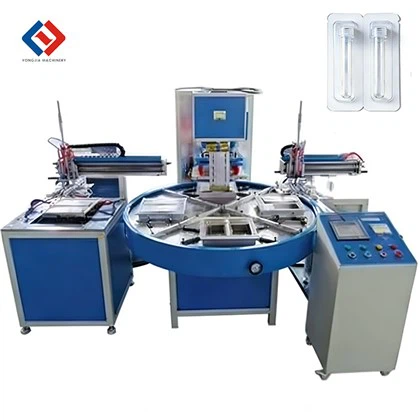
In the realm of packaging, blister packaging machines play a pivotal role in ensuring products are well – presented and protected. However, one of the most pressing issues faced by manufacturers and suppliers in this industry is the waste rate of blister packaging machines. As a supplier of blister packaging machines, I understand the significance of reducing this waste rate, not only for cost – effectiveness but also for environmental sustainability. In this blog, I will share some practical strategies to help you minimize the waste rate of your blister packaging machine. Blister Packaging Machine

Understanding the Causes of Waste in Blister Packaging Machines
Before we delve into the solutions, it’s crucial to understand the root causes of waste in blister packaging machines. There are several factors that can contribute to a high waste rate:
1. Machine Malfunctions
Blister packaging machines are complex pieces of equipment. Mechanical failures, such as misaligned sealing bars, faulty cutting mechanisms, or improper feeding systems, can lead to defective packages. For example, if the sealing bar is not heated evenly, the blister packs may not seal properly, resulting in leakage or separation of the blister from the backing card.
2. Material Quality
The quality of the packaging materials, including the plastic film and the backing card, can significantly impact the waste rate. Low – quality materials are more likely to tear, wrinkle, or have inconsistent thickness, which can cause problems during the packaging process. For instance, a thin or brittle plastic film may break easily during forming or sealing, leading to discarded packages.
3. Operator Error
Human error is another common cause of waste in blister packaging. Operators may set incorrect parameters, such as temperature, pressure, or speed, which can result in defective products. Additionally, improper handling of the machine, such as loading materials incorrectly or not maintaining the machine regularly, can also increase the waste rate.
4. Product Design
The design of the product being packaged can also affect the waste rate. If the product is not well – suited for blister packaging, or if the blister cavity is not designed to fit the product properly, there may be excess material or improper sealing, leading to waste.
Strategies to Reduce the Waste Rate
1. Regular Machine Maintenance
One of the most effective ways to reduce the waste rate is to ensure that the blister packaging machine is well – maintained. This includes regular cleaning, lubrication, and inspection of all components. By performing preventive maintenance, you can identify and address potential issues before they lead to major malfunctions. For example, regularly checking the sealing bars for wear and tear and replacing them when necessary can help ensure a consistent and reliable seal.
2. Quality Control of Packaging Materials
Investing in high – quality packaging materials is essential for reducing waste. Work with reliable suppliers who can provide materials that meet your specifications. Conduct quality checks on incoming materials to ensure they are free from defects. For example, inspect the plastic film for thickness consistency, and check the backing card for print quality and dimensional accuracy.
3. Operator Training
Proper training of operators is crucial for minimizing waste. Provide comprehensive training on machine operation, parameter setting, and troubleshooting. Operators should be familiar with the machine’s functions and be able to identify and address common problems. For example, train operators on how to adjust the temperature and pressure settings for different types of products and materials.
4. Product Design Optimization
Work closely with your product design team to optimize the blister packaging design. Ensure that the blister cavity is the right size and shape for the product, and that there is minimal excess material. Consider using computer – aided design (CAD) software to simulate the packaging process and identify potential issues before production. For example, if the product has an irregular shape, design the blister cavity to fit it snugly, reducing the amount of wasted material.
5. Process Monitoring and Improvement
Implement a process monitoring system to track the performance of the blister packaging machine. Collect data on key performance indicators, such as waste rate, production speed, and product quality. Analyze this data regularly to identify trends and areas for improvement. For example, if you notice a sudden increase in the waste rate, you can investigate the cause and take corrective actions.
6. Recycling and Reuse
Establish a recycling and reuse program for the waste generated during the blister packaging process. Some of the waste materials, such as plastic film and backing cards, can be recycled or reused. By implementing a recycling program, you can reduce the environmental impact of your packaging operations and also save on material costs.
Benefits of Reducing the Waste Rate
Reducing the waste rate of your blister packaging machine offers several benefits:
1. Cost Savings
By minimizing waste, you can reduce the cost of materials, labor, and disposal. This can lead to significant cost savings over time, improving your bottom line.
2. Environmental Sustainability
Reducing waste is not only good for your business but also for the environment. By using less material and recycling waste, you can reduce your carbon footprint and contribute to a more sustainable future.
3. Improved Product Quality
A lower waste rate often means higher product quality. By minimizing defects and ensuring consistent packaging, you can enhance the overall quality of your products, leading to increased customer satisfaction.
Conclusion
Hot Pressing Machine Reducing the waste rate of a blister packaging machine is a multi – faceted challenge that requires a combination of strategies, including machine maintenance, material quality control, operator training, product design optimization, process monitoring, and recycling. As a blister packaging machine supplier, I am committed to helping our customers achieve their waste reduction goals. If you are interested in learning more about how our blister packaging machines can help you reduce waste and improve your packaging operations, please feel free to contact us for a consultation. We look forward to working with you to find the best solutions for your business.
References
- Smith, J. (2018). Packaging Machinery Handbook. Elsevier.
- Jones, A. (2019). Quality Control in Packaging. CRC Press.
- Brown, C. (2020). Sustainable Packaging Solutions. Wiley.
Dongguan Yongjia Machinery Equipment Co., Ltd.
We are one of the most reliable blister packaging machine manufacturers and suppliers in China, specialized in providing high quality customized service. Please feel free to wholesale advanced blister packaging machine at low price from our factory. For quotation, contact us now.
Address: No. 240, Chashan South Road, Chashan Town, Dongguan City, Guangdong Province, China
E-mail: info@yjwelding.com
WebSite: https://www.yjhighfrequencymachine.com/
