Hey there! I’m a supplier in the silo business, and today I wanna talk about the ventilation system in a silo. It’s a crucial part that often gets overlooked, but it plays a super important role in keeping your silo working well. Silo
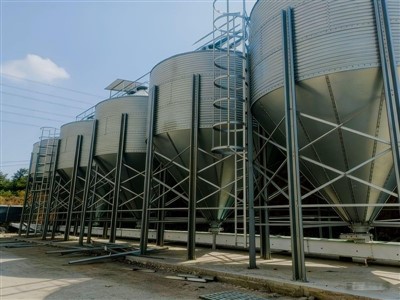
So, what exactly is a ventilation system in a silo? Well, it’s a setup that helps control the air inside the silo. You see, silos are used to store all kinds of stuff, like grains, powders, and other bulk materials. And these materials need the right environment to stay in good condition.
One of the main jobs of the ventilation system is to manage moisture. When you store things in a silo, moisture can build up. If there’s too much moisture, it can lead to all sorts of problems. For example, grains can start to mold, which is a big no – no. Mold not only ruins the quality of the stored material but can also create health hazards. The ventilation system works by bringing in dry air and getting rid of the moist air. This helps keep the humidity levels in check.
Another important function is temperature control. Different materials have different temperature requirements. For instance, some grains need to be stored at a relatively cool temperature. If the temperature inside the silo gets too high, it can speed up the spoilage process. The ventilation system helps to move air around, which can either cool down or warm up the interior of the silo as needed.
There are a few different types of ventilation systems for silos. One common type is the natural ventilation system. This system uses the natural movement of air, like wind and differences in air pressure. It usually has vents at the top and bottom of the silo. When the wind blows, it creates a pressure difference that causes air to flow in through the lower vents and out through the upper vents. This is a simple and cost – effective way to ventilate a silo, but it has its limitations. It depends on the weather conditions, and it might not be enough in some situations, especially when you need more precise control of the air inside.
Then there’s the mechanical ventilation system. This one uses fans to move air in and out of the silo. It gives you a lot more control over the ventilation process. You can adjust the speed of the fans to increase or decrease the airflow. Mechanical ventilation is great for situations where you need to maintain a very specific environment inside the silo. For example, if you’re storing high – value products that are very sensitive to moisture and temperature.
Now, let’s talk about the components of a ventilation system. The most obvious part is the fans. In a mechanical system, the fans are the heart of the operation. They come in different sizes and types, depending on the size of the silo and the ventilation requirements. There are also ducts, which are like pipes that carry the air to different parts of the silo. The ducts need to be properly designed and installed to ensure that the air is distributed evenly.
Filters are another important component. They help to keep the air clean by removing dust, dirt, and other particles. This is important because if the air is dirty, it can contaminate the stored materials. And nobody wants that!
When it comes to installing a ventilation system in a silo, there are a few things to consider. First of all, you need to think about the size of the silo. A larger silo will need a more powerful ventilation system. You also need to consider the type of material you’re storing. Different materials have different ventilation needs. For example, a silo storing coal might have different requirements than one storing grains.
Location is also a factor. If the silo is in a place with high humidity or extreme temperatures, you’ll need a more robust ventilation system. And of course, you need to make sure that the ventilation system is installed correctly. A poorly installed system won’t work as effectively and could lead to problems down the line.
As a silo supplier, I’ve seen firsthand the difference a good ventilation system can make. It can extend the life of the stored materials, reduce waste, and improve the overall efficiency of the silo. If you’re in the market for a silo or need to upgrade your existing ventilation system, I’d love to have a chat with you. Every silo is unique, and I can help you figure out the best ventilation solution for your specific needs.
Whether you’re a farmer looking to store your harvest, a manufacturer storing raw materials, or someone in another industry that uses silos, having a proper ventilation system is essential. It’s not just about keeping the air moving; it’s about protecting your investment and ensuring that your stored materials stay in top – notch condition.

So, if you’re interested in learning more about ventilation systems for silos or have any questions about our silo products, don’t hesitate to reach out. I’m here to help you make the right choices for your business.
Silo References:
- Agricultural Handbook No. 66, "Storage of Agricultural Commodities", United States Department of Agriculture
- "Grain Storage Handbook", various authors in the field of agricultural engineering
Henan Oumu Intelligent Storage Equipment Co., Ltd.
As one of the most professional silo manufacturers and suppliers in China, we’re featured by quality products and good service. Please rest assured to buy customized silo made in China here from our factory. For quotation, contact us now.
Address: No. 681, Xinzhong Avenue, Hongqi District, Xinxiang City, Henan Province
E-mail: luna@oumu-silo.com
WebSite: https://www.oumu-silo.com/
