If you’re reading this, you’ve probably grabbed that potted herb you keep on your kitchen corner shelf a little too hard, or knocked over a stack of coasters while reaching for a water bottle—only to realize the whole unit rocks back and forth like it’s about to tip. As a corner shelves supplier, I get this problem far more often than you’d think. I’ve gotten DMs from customers saying their brand-new corner shelf wobbles right out of the box, messages from homeowners who assembled their own years ago and put off fixing it until their decor started sliding, even texts from contractors who said “it looked fine on the wall” only for it to slant after a rainy week. The good news is, a wobbly corner shelf isn’t a lost cause—most of the time, it’s fixable with a few simple tools, a little patience, and some know-how that I’ve picked up from helping thousands of people with my shelves over the years. Corner Shelves
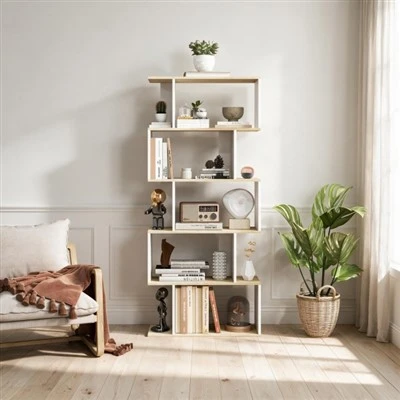
First, let’s skip the panic: a wobbly corner shelf almost never means your shelf is broken. I design and ship these units to fit standard wall stud spacing, so if you paid for a quality corner shelf, the issue is usually one of three things: a loose mounting bracket, an uneven wall surface, or a tiny, accidental gap between the shelf and the wall. That’s way easier to fix than replacing the whole thing. Before you grab a drill, though, do one quick check: take the shelf’s load off. If there’s a stack of books, a big ceramic planter, or even a decorative mirror hanging on it, move those to a safe spot first. That way, you’ll only be adjusting the shelf itself, not fighting extra weight while you work.
Step 1: Find the Root of the Wobble
You can’t fix what you can’t see, right? So first, figure out exactly where the shelf is moving. Stand in front of the shelf, push the top left corner, then the top right, then the bottom, and finally, pull gently on the front edge (the part sticking out from the wall). Does it rock forward and back? Left and right? Or does it feel like one side is pulling away from the wall? Most of the time, a wobble will come from a mounting bracket that’s not fully secured. Bracket screws can work themselves loose over time from small vibrations—opening a cabinet door, walking around the room, even the expansion and contraction of the shelf wood as temperature or humidity changes. That’s the most common issue, especially with shelves that get used every day.
Another common culprit: uneven drywall. Drywall isn’t perfectly flat—especially in older homes. If you mount a shelf over a section of drywall that’s a quarter-inch higher than the rest, the shelf will only touch that high spot, leaving a gap on the other side, which causes wobbling. I’ve seen this so many times that when we package our corner shelves, we include a tiny pack of shims for exactly this reason—even if a customer didn’t ask for them, we know they might need them. The third thing to check: wall studs. If your shelf isn’t mounted into studs, it will always wobble, no matter how tight the screws are. Drywall alone can’t support the weight of a shelf full of stuff, so it will flex over time, causing that wobbly feel. If you’re not sure where your studs are, a $10 stud finder from a hardware store is all you need—just run it along the wall, and it will beep when it hits wood.
Step 2: Tighten the Mounting Brackets (The Easy Fix)
If the wobble is from loose brackets, this step takes 5 minutes and no special tools. Grab a Phillips head screwdriver (or a drill with a Phillips bit, if you have one) and go to each bracket on the shelf. Each shelf will have at least two brackets, right? One on the left side of the shelf, one on the right, each secured to the wall. Turn each screw clockwise until it’s tight. If the screw is already all the way in and still loose, you might need to replace it with a longer screw—sometimes the original screw was too short to go all the way into the stud. Pro tip from my team: use a 2.5-inch screw for standard corner shelves, because that length will go through drywall, into the stud, and give you a secure hold. If you use a shorter screw, it might only go halfway into the stud, which will work loose over time.
Wait, what if the screw spins when you try to tighten it? That means the hole is stripped, or you screwed it into drywall without a stud, and the drywall can’t hold the screw anymore. Don’t worry—this is easy to fix. You can use a drywall anchor, which is a small plastic or metal insert you put into the hole, then screw the new screw into the anchor. Anchors give the drywall extra grip, so the screw won’t spin anymore. For heavier shelves, use a metal anchor instead of plastic—those hold up better over time. If you don’t have an anchor, a tiny bit of wood glue and a toothpick can work, too: twist a few toothpicks into the stripped hole, snip them off flush with the wall, then screw your old screw back in. The toothpicks will fill the gap and give the screw something to grip.
Step 3: Fix an Uneven Wall with Shims
If tightening the brackets didn’t stop the wobble, chances are the wall is uneven. This is where those shims I mentioned earlier come in—you can buy them at any hardware store, too, they’re thin, tapered pieces of wood or plastic that fill small gaps between the shelf and the wall. Here’s how to use them: first, lift the shelf gently away from the wall, being careful not to scratch it. Set it on a soft towel or a stack of books so it doesn’t get damaged. Now, run your finger along the back of the shelf, where it touches the wall, and feel for gaps. You’ll notice one side or the middle might be slightly raised, leaving a little space. Take the shims and cut them to fit the gap—don’t use one big shim, that will make the shelf lopsided. Instead, use a few small shims stacked together, or a single shim shaped to fit the gap. Stick the shim to the wall (a tiny dot of wood glue will hold it in place temporarily) then push the shelf back against the wall, and screw the brackets back in. Test the wobble: if it’s still there, add another shim to the gap. If it’s now tight, you’re done.
Another trick for uneven walls: if the gap is bigger than an eighth of an inch, you can use a small piece of sandpaper to sand the high spot on the wall instead of shimming. That’s especially helpful if the high spot is from a paint drip or a small bump in the drywall. Just sand gently until the wall is flat, then re-mount the shelf. I’ve used this method a hundred times on older homes where the drywall isn’t perfect, and it works great for thin gaps.
Step 4: Make Sure It’s Mounted to Studs
If your shelf still wobbles after tightening brackets and adding shims, the problem might be that it’s not in a stud. Drywall flexes, so even if the brackets are tight, if they’re mounted only in drywall, the shelf will move. Here’s how to check: take the shelf off the wall, and use your stud finder to mark the studs where the brackets should go. For most corner shelves, you want the brackets to be 16 inches apart, which is the standard stud spacing in most homes (some older homes have 24-inch spacing, so you’ll need to adjust). If the original screws were in drywall, you’ll need to move the bracket holes to the studs. You don’t have to patch the old holes—just fill them with a little spackling paste once you’re done. That’s a small job, and it’s way better than having a wobbly shelf that keeps tipping.
For heavy shelves—like if you bought a solid wood corner shelf to hold a collection of heavy books or a big TV—you might want to add extra support brackets. Most of my standard shelves come with two brackets, but if you’re mounting a big one, add a third bracket in the middle, right over a stud. That extra support will keep the shelf stable and prevent it from wobbling even under heavy weight. I always tell customers: the more weight you put on a shelf, the more brackets you need. That’s a rule of thumb I learned early on when I started selling corner shelves—my first few customers put 50 pounds on a two-bracket shelf, and it started to wobble within a month, so I adjusted my shelf designs to recommend three brackets for shelves over 30 pounds.
When you’re done, do a final test: push the shelf as hard as you would when reaching for something, or shake it gently. If it doesn’t move, you’re good to go. If it still wobbles, double-check all your screws—maybe you missed a bracket, or a screw isn’t tight enough. A lot of the time, people forget the screw that’s on the bottom of the bracket, not just the top, so make sure you’re tightening every single screw on every bracket.
Now, a few pro tips that I’ve picked up over years as a corner shelves supplier, to help you avoid wobbles in the future. First, don’t hang anything too heavy on the shelf. Even a sturdy shelf will start to bend and wobble if you put 100 pounds on it. If you want to store heavy items, like cookware on a kitchen shelf or tools on a garage shelf, look for a heavy-duty corner shelf that’s made from solid wood, not particle board—particle board is weaker, so it will warp and wobble faster. Second, check the screws every few months. Small vibrations from opening doors, moving furniture, even earthquakes (even small ones!) can loosen screws over time. A quick tighten every 6 months will keep your shelf stable for years. Third, avoid mounting the shelf near areas with high humidity, like bathrooms or laundry rooms. Wood expands and contracts with humidity, which can loosen the brackets. If you do mount a shelf in a high-humidity area, use a rust-resistant screw and check it more often, maybe every 3 months.
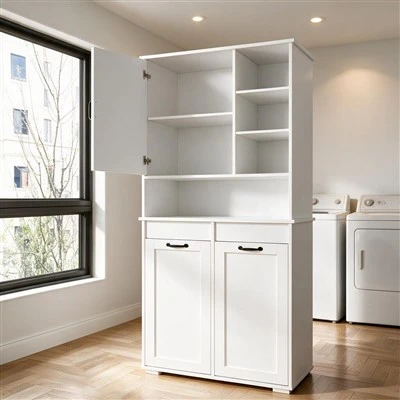
I know how frustrating a wobbly corner shelf can be. You spend time assembling it, you pick the perfect spot for it, and then it rocks every time you look at it. That’s why we designed our corner shelves to be easy to install and easy to fix—no complicated tools, no fancy parts, just a sturdy unit that works for every space. If you’ve tried these steps and your shelf still wobbles, or if you’re thinking about replacing your old wobbly shelf with a new one, we’re here to help. We offer a range of corner shelves for every space—small shelves for tight corners, heavy-duty shelves for storage, even decorative shelves that fit your living room or office. Whether you need replacement brackets, shims, or just advice on picking the right size shelf for your corner, we can help. To learn more about our products and discuss your needs, feel free to reach out to us. We’re always happy to help, whether you’re a homeowner looking for a new shelf or a contractor needing bulk units for a project.
Kitchen Cabinet References
- Architectural Institute. Guide to Mounting Wall-Mounted Shelving Units. 2021.
- Home Improvement Research Council. Common Wall Mounting Issues in Residential Spaces. 2020.
- Woodworking Network. Best Practices for Installing Solid Wood Shelves. 2019.
- Drywall Construction Association. Fixing Uneven Wall Surfaces for Interior Installations. 2018.
Zebra Living Furnishings Manufacturing Co.,Ltd
As one of the most professional corner shelves manufacturers and suppliers in China, we offer a wide range of products with superior quality. We warmly welcome you to wholesale high quality corner shelves made in China here from our factory. We also accept customized orders.
Address: No.7 Xianfeng Road, Heshi Industrial Zone, Taixing City, Jiangsu Province
E-mail: info@zaliving.com
WebSite: https://www.zaliving.com/
