Let’s cut to the chase: if you’re a store owner, event planner, or someone curious about expanding your offerings with nicotineless vapes, and you’re wondering if these devices can cross international borders without ending up in customs limbo — you’re not alone. For years, I’ve been a supplier of these products, and I’ve fielded this exact question from dozens of clients, small business owners, and even regular travelers over coffee or video calls. The confusion makes sense: global rules around vapes are a messy patchwork, and most travel advice online lumps all vapes together, regardless of whether they have nicotine or not. Today, I want to break this down with the kind of on-the-ground, supplier-honed context you won’t find on a generic travel blog — and address if (and how) you can actually move nicotineless vapes internationally, whether for personal use or as inventory for your business. Nicotineless Vape
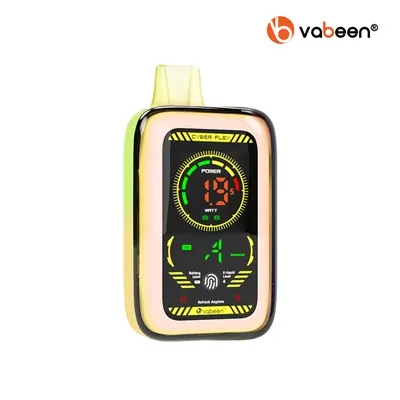
First, let’s get one key detail out of the way: nicotineless vapes are not the same as their nicotine-filled counterparts. That’s the foundation of everything here, and it’s where most misinformation starts. A nicotineless vape is a device that heats a flavored liquid (usually called e-juice or e-liquid) that contains no nicotine — most often, that liquid is propylene glycol, vegetable glycerin, food-grade flavorings, and sometimes trace amounts of cannabis derivatives like CBD in very low doses, but never nicotine. For regulatory bodies around the world, that distinction matters a lot. Nicotine is a highly regulated substance, often classified as a pharmaceutical or controlled ingredient, so any vape containing it faces strict packaging, age-verification, and import bans in many countries. Nicotineless vapes, though? They’re often treated like consumer electronics, personal care products, or even food and beverage items, depending on the destination’s rules.
But let’s ground this in real, recent examples — because even this distinction doesn’t mean it’s a free pass. Last year, I worked with a small boutique shop in Canada that wanted to stock our nicotineless vape devices to sell to their customers. They tried importing a 50-unit case without doing their homework, and it got held at Vancouver customs for three weeks. Why? Canada’s vaping regulations, updated in 2023, ban all vaping products that don’t have explicit Health Canada approval — even if they’re nicotineless, because the government still classifies vapes as “tobacco products” unless proven otherwise. That was a costly mistake for them, and a lesson for me as a supplier: I now work directly with clients to map destination rules before they place an order, rather than just shipping and crossing my fingers.
On the flip side, I also have a regular client in Germany who imports 200 units of our nicotineless vapes every quarter with zero issues. Germany’s Federal Institute for Drugs and Medical Devices (BfArM) doesn’t regulate nicotineless vapes as tobacco or pharmaceutical products, as long as the e-liquid doesn’t contain nicotine or any banned ingredients. They just require a simple declaration form at customs, and no additional permits. That’s the kind of variation that makes this process tricky — rules aren’t just different country to country; they can shift every few years, too.
Let’s talk about personal travel first, since that’s what most casual inquirers care about, and it’s a great litmus test for the broader rules. If you’re traveling for leisure and want to bring a few nicotineless vapes with you, what’s allowed? For starters, the number one rule for any vape device, nicotineless or not: you can’t put loose vape batteries in checked luggage. Lithium-ion batteries (which power all vapes) are a fire risk in cargo holds, so airlines universally require them to be in carry-on bags. Even for nicotineless devices, that rule holds. Beyond that, it depends on the country. The U.S., for example, allows travelers to bring up to 100 milliliters of e-liquid (nicotineless, of course) in their carry-on, as long as it fits in the TSA’s 3-1-1 liquids rule (each container under 3.4 ounces, all in one quart-sized bag). The EU, for the most part, follows a similar rule for personal use: nicotineless vapes are allowed in carry-on, and e-liquid limits apply the same as other liquids. But if you’re traveling to a country like Australia, even a single nicotineless vape can get denied entry. Australia’s Therapeutic Goods Administration (TGA) requires all vaping products, regardless of nicotine content, to have an individual import approval, and personal use exceptions only apply to people with a doctor’s prescription. I’ve had a client who flew into Sydney with a nicotineless vape in their carry-on; it was seized at customs, and they had to pay a $200 processing fee to get it returned. That’s not a horror story for a business, but it’s a big one for someone just traveling for a weekend.
Now, the part that matters most to people like me: international shipping for business inventory. If you’re a retailer, a bar owner looking to add nicotineless vapes as a niche product, or even an event organizer who wants to stock these at a festival, can you import them in bulk? The short answer is: it depends entirely on the destination, and compliance is non-negotiable. Let’s walk through a few more country-specific examples to make this concrete.
In the United Kingdom, post-Brexit rules changed everything. As of 2024, nicotineless vapes imported into the UK for commercial use must meet two key standards: the e-liquid can’t have more than 2% nicotine (if you slip that in, you’re breaking tobacco product rules), and all devices must be tested to comply with EU food safety standards, since the e-liquid ingredients are classified as food-grade. My team and I worked with a London-based retail chain last year to make sure their bulk shipment included full test certificates for every batch, and that cleared customs in 48 hours — no delays, no fees. But if you tried to import a batch without those certificates, it would be held indefinitely, or destroyed.
In Southeast Asia, the rules are even more mixed. Thailand bans all vaping products, nicotineless or not, for both personal and commercial use. I had a client in Bangkok who tried to import a small test batch a couple of years ago; it was seized, and he was slapped with a fine equivalent to $1,500. Indonesia, by contrast, allows nicotineless vapes for commercial use, but requires a special import license from the Ministry of Trade, and all products must be labeled in Indonesian with ingredient lists — no English-only packaging. That’s why I don’t accept orders from clients in Thailand, and I only work with Indonesia clients who can secure that license upfront.
What about common myths that I hear all the time as a supplier? Let’s debunk two big ones. First: “Nicotineless vapes are legal everywhere.” That’s not true. As we saw with Australia and Thailand, some countries blanket ban all vaping products, period, regardless of nicotine content. Second: “If it’s nicotineless, you don’t need any permits.” That’s also wrong. Even in countries where nicotineless vapes are allowed, commercial imports require documentation — batch test results, ingredient declarations, sometimes even proof that the product isn’t a tobacco-related device. I’ve had clients come to me upset because their shipment was delayed, and 9 times out of 10, it’s because they skipped that paperwork.
So, what does this mean for you, whether you’re a business owner looking to stock these products, or just a traveler wanting to bring a few on a trip? If you’re thinking of moving nicotineless vapes internationally, here’s the practical, supplier-backed checklist I give to every client:
-
First, map your destination’s rules before you place an order. Don’t assume a rule that works for Canada works for Germany, or vice versa. Check the government website for the country’s customs or health authority — third-party travel blogs often have outdated or incomplete info. For example, the FDA in the U.S. has specific rules for e-liquid imports, even nicotineless ones, that most people don’t know about.
-
For personal travel, keep it small. Stick to 1-3 devices, and e-liquid under 100ml, in your carry-on (never checked luggage). Check the destination’s personal use limits: some countries will seize any bulk quantity, even if it’s nicotineless, because they assume it’s for resale.
-
For commercial shipments, partner with a customs broker who specializes in vaping products. This is non-negotiable. General freight brokers won’t know the difference between a nicotineless and nicotine vape, and they’ll likely miss a required document that causes delays. I require all my wholesale clients to use a broker that has experience with vape imports, and I can recommend trusted brokers in most major markets to make this easier.
-
Always label products accurately. If your device has nicotine, label it clearly — but if it doesn’t, make sure the packaging says “nicotine-free” or “0% nicotine” in English and the local language. Mislabeling is one of the top reasons shipments get seized, even if the product is legal.
Now, let’s talk about why this matters for nicotineless vape suppliers like me. Over the past five years, the demand for these products has exploded — people use them for flavored vapor without the addictive nicotine, or as a way to cut back on smoking tobacco. But because the regulatory landscape is so fragmented, many small suppliers like me have to invest a lot of time and resources into navigating these rules to make sure our clients don’t run into issues. We don’t just sell devices; we sell peace of mind, because we know that a seized shipment can put a small business out before it even gets off the ground.
I’ve heard too many stories from clients who lost thousands of dollars in seized inventory because they went with a supplier who promised “global shipping” without verifying rules. That’s why, for every order, I walk through the destination’s requirements with the client, offer test certificates, and connect them with a broker if they need one. It’s not just good business — it’s the right thing to do, because we’re both navigating a space where the rules are still being written, and no one wants to see a good product get held up because of a paperwork mix-up.
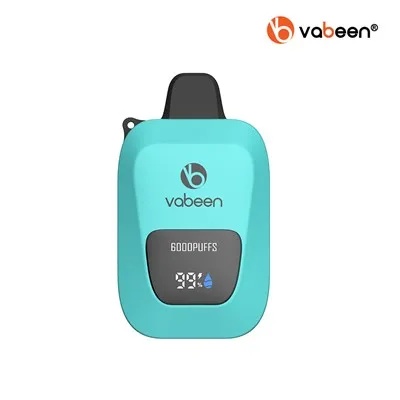
At the end of the day, can you travel with a nicotineless vape internationally? Yes — but with caveats. For personal use, it’s totally doable in most countries, as long you follow baggage and quantity rules. For commercial purposes, it’s possible too, but only if you do your homework, follow destination regulations, and work with a supplier who understands the nuances of global vape rules.
3d Curved Screen Vape If you’re a retailer, bar owner, or anyone interested in stocking nicotineless vapes, I’m here to help you navigate the process. Don’t guess at rules or take chances on outdated info — reach out, and we can walk through your specific market, required documentation, and next steps to get your order shipped smoothly. Whether you’re just testing the waters with a small batch or ready to stock a full line, we’ve got the experience to make international shipping work for you.
References
- Health Canada. (2023). Vaping Products Regulations: Nicotine-Free Products Classification. Government of Canada.
- Federal Institute for Drugs and Medical Devices (BfArM). (2024). Guidelines for Import of Nicotine-Free E-Cigarettes. German Federal Ministry of Health.
- Australian Therapeutic Goods Administration (TGA). (2023). Importation of Vaping Products: Personal and Commercial Use. TGA Australia.
- UK HM Revenue & Customs. (2024). Post-Brexit Rules for Import of Nicotine-Free Vaping Products. HM Government of the United Kingdom.
- U.S. Transportation Security Administration (TSA). (2024). Carry-On Bag Rules for E-Cigarettes and Vaping Devices. TSA.
Shenzhen Jiandun Technology Co., Ltd.
As one of the most professional nicotineless vape manufacturers and suppliers in China, we have world-leading production equipment and strong manufacturing capabilities. Please rest assured to buy high quality nicotineless vape for sale here from our factory. Contact us for quotation and free sample.
Address: 5th Floor, No.2 Building, GaoXinqi Science and Technology Park Phase II, No.6, Longchang Road, Xin’an Street, Bao’an District, Shenzhen, Guangdong, China
E-mail: info@vabeen.com
WebSite: https://www.vabeenvape.com/
