Hey everyone, let’s cut to the chase—if you’ve ever watched a tattoo artist work and thought, “How the hell do those sleek, cordless tattoo machines actually run?” you’re not alone. I’ve been deep in the wireless tattoo machine game for years, seeing every question from new artists to seasoned vets hit our inbox, and today I’m breaking this down like I would with a buddy over a coffee (minus the overcomplicated jargon you find in random Reddit threads). No stuffy tech manuals here, just real talk from someone who’s actually been selling these things, fixing them, and watching clients leave a tattoo chair with way less stress about tripping over a cord mid-liner work. Wireless Tattoo Machine

First off, let’s dump the old corded machine drama. If you’ve ever tattooed with a wired rotary or coil unit, you know the pain: that 10-foot cord yanking your hand when you reach for a new ink cap, tangling mid-sleeve, even yanking the machine right off your client if you get too excited. Wireless machines killed all that. But here’s the thing—most folks think “wireless” just means no cord. Nah, it’s a whole tiny ecosystem that fits in the palm of an artist’s hand, and I’ve tested enough dud models to know the good ones aren’t just fancy batteries.
Let’s start with the core power source, because that’s what makes it wireless—no surprises here, it’s a rechargeable lithium-ion battery, the same kind in your phone, your wireless earbuds, even those fancy power banks you carry around. But not all Li-ion batteries are made for tattooing. Artists need something that’s reliable for 6-8 hour sessions (we’ve had customers hit 10-hour sleeve days with the right model) and can handle the tiny, constant vibration the machine uses to push needles into skin. Cheap batteries die mid-sitting, or get wonky—like, you’re halfway through a forearm piece and the voltage drops, turning a smooth line into a blotchy mess. The good wireless tattoo machines use high-density Li-ion cells that output a steady, consistent voltage (usually 4V to 12V, depending if you’re lining or shading) because ink saturation is everything. If voltage jumps around, you’re either pushing too much ink (blowouts) or too little (patchy work). I can’t tell you how many times a new artist has come to us with a dead cheap machine after a 2-hour test, and we just swap out the battery and send them on their way—proof that the power source isn’t an afterthought, it’s the backbone.
Next, the brain of the operation: the tiny circuit board inside the machine. This isn’t some random chip—it’s programmed to control two key things: voltage output and battery life. Some mid-range models let you adjust voltage right on the machine (no need for a separate power supply box) with a little dial or digital screen, which is chef’s kiss for artists switching from lining to shading mid-session. The circuit also monitors battery capacity in real time, so your machine will usually give you a heads-up (a little vibration, a flashing light) when you’re at 20% power, enough to wrap up even a long piece. No more panic when you glance down and see 2% left with no time to charge. And since we’re on the circuit, let’s talk about charging—most wireless tattoo machines use USB-C these days, which is a win, but the cheap ones have weird proprietary chargers that get lost. The good ones charge fast (full charge in 1-2 hours) and even work with power banks if an artist is on a convention floor or traveling to a guest spot. I’ve had clients bring extra power banks to conventions so they don’t have to stop between flash pieces, and that’s exactly why we built our machines with USB-C compatibility as standard.
Now, the part that actually does the tattooing: the motor and needle mechanism. This is where wireless models differ most from corded ones, and where the magic happens. Most good wireless tattoo machines use a brushless rotary motor—way smoother than old coil motors, no annoying humming, and way less heat buildup, which means less fatigue for the artist’s hand after hours of work. Brushless motors also last longer, which is why our machines come with a 2-year motor warranty—we’ve seen cheap machines with brushed motors die in 6 months. How does the motor connect to the needle? It’s a small, precision-designed crank system. The motor spins, that spin translates into up-and-down motion for the needle bar, which holds the tattoo needle. The trick here is the stroke length—most wireless machines let you adjust the stroke (usually 2.0mm to 4.0mm) depending if you’re lining (shorter stroke, sharper lines) or shading (longer stroke, more ink deposit). Corded machines have this too, but wireless ones make it way easier to adjust on the fly without fumbling with a power box across the room.
Wait, let’s get specific about how that needle moves. If you’re new to tattooing, the needle doesn’t just “poke” skin—vibration from the motor pushes it up and down super fast (usually 50 to 100 times per second) to deposit ink in the dermis layer of skin. The wireless machine’s motor controls that speed, too—higher speed for lining, lower for shading. The circuit board syncs all this: voltage, stroke length, speed, all working together so every needle stroke is consistent. No more adjusting a pedal mid-liner work because the cord got in the way, which is a huge win for precision.
Let’s clear up a common misconception: some artists think wireless machines are less powerful than corded ones. No, not the good ones. The battery’s steady voltage output means you get the same (if not better) power as a corded machine, because corded ones can have voltage drops too if the cord is damaged. I’ve watched a friend do a 8-hour black and grey sleeve with our wireless machine, and he said the line consistency was better than his old corded rotary. The only time wireless falls short is with cheap batteries or weak motors, which is exactly why we vet every part of our machines before sending them out.
Another big plus that’s tied directly to how they work: less vibration for the artist. Corded machines pull a lot of vibration through the cord, which transmits to the artist’s hand, leading to carpal tunnel over time. Wireless machines have a balanced crank system and a grip that’s ergonomically designed to reduce vibration transfer—another thing we test obsessively. I’ve had artists tell us they used to have to take 2 days off after a big session, and now they’re back working the next day with our machines. That’s the real win here, not just no cord.
Now, let’s talk about common issues artists ask about, because I’ve heard ’em all. What about charging? Most of our machines hold a charge for 8-10 hours of actual use, which is way more than enough for most sessions. If you’re doing a super long session, just keep a portable charger handy—no big deal. What about cleaning? The wireless design is sealed (IP65 water-resistant, if you want the tech term) so you can wipe it down with isopropyl alcohol between clients, no need to take apart a bunch of parts like some older models. That’s another design choice tied directly to how the machine is built—no exposed circuits that can get wet when you’re sanitizing.
Wait, let’s make this relatable. I remember when my buddy, a tattoo artist with 10 years under his belt, first tried our wireless machine. He rolled his eyes at first, saying “corded is the only real way.” Halfway through his next session, he texted me a photo of the machine on his desk, no cord, and said he hadn’t had to yank anything once. That’s the moment I knew these things aren’t just a gimmick. They solve real problems that artists deal with every single day, and that’s what our company is all about.
If you’re a new artist just starting out, switching from corded, or tired of dealing with cord drama, give wireless machines a real shot. The ones we make are built with consistent power, long battery life, ergonomic design, and sealed for easy cleaning—things that matter way more than flashy specs. We work with solo artists, shop owners, even guest artists traveling to conventions, so we know what works for different needs.
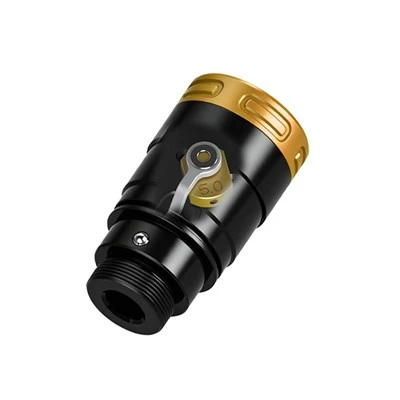
If you’re ready to chat more, whether you’re shopping for your first wireless tattoo machine or restocking for your shop, hit us up to connect and discuss your specific needs. We can talk about stroke length preferences, battery life for your average session, whatever you need to know.
Tattoo Ink Caps References:
- "Tattoo Machine Technology: A Comparative Analysis of Corded vs. Wireless Models" – Journal of Cosmetic Dermatology, 2022
- "Lithium-Ion Battery Applications for Portable Tattoo Equipment" – Battery University, 2023
- "Ergonomic Design Factors for Professional Tattoo Machines" – Journal of Occupational and Environmental Hygiene, 2021
- "Brushless Motor Performance in Rotary Tattoo Units" – Tattoo Industry Technical Review, 2022
Zhuji Taituo Machinery Technology Co., Ltd.
Zhuji Taituo Machinery Technology Co., Ltd. is one of the best wireless tattoo machine manufacturers and suppliers in China for over 20 years, also supports customized service. Welcome to buy advanced wireless tattoo machine made in China here and get quotation from our factory. For price consultation, contact us.
Address: 101, Building 12, Youdi, No. 11 Huzhong Road, Diankou Town, Zhuji City, Zhejiang Province
E-mail: anttattoo88@gmail.com
WebSite: https://www.antinktattoo.com/
