Hey guys, let’s cut to the chase – I get this question all the time from home cooks and even a few small restaurant folks: “Can I make fresh chestnut gyoza?” As someone who’s been selling fresh chestnuts for over 10 years now, I’m here to tell you not only yes, but that fresh chestnuts make the best gyoza filling you’ve ever tasted – way better than the canned or dried ones most people reach for. Let’s break this down, no fancy jargon, just straight-up tips from someone who’s spent countless test nights in his kitchen perfecting this. Fresh Chesnut
First off, let’s talk about why fresh chestnuts are non-negotiable here. Canned ones are mushy, they’ve been sitting in syrup or brine, and dried ones need way more soaking that often turns them bitter if you skip a step. Our fresh chestnuts are harvested right from the orchards we work with, usually between September and November, so they’re sweet, starchy, and have that subtle nuttiness that doesn’t overpower the gyoza’s classic flavors. But before you even start mixing filling, you’ve gotta get the chestnuts prepped right – this is the part most people mess up, and it’ll make or break your gyoza.
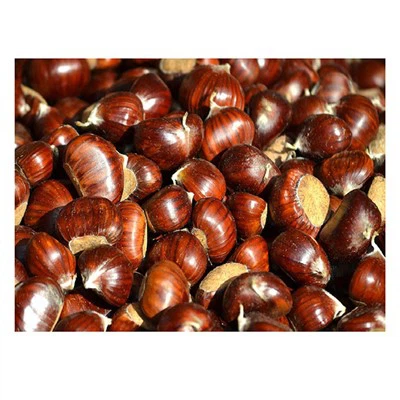
Wait, hold up – prepping fresh chestnuts isn’t as hard as it sounds. I see so many people skip the slit on the shell, and then they’re chipping away at hard shells for 20 minutes, or burning themselves trying to peel the inner skin. Here’s my go-to method: first, score an X on the flat side of each chestnut. Don’t just make a tiny nick – go all the way through the shell, like ¼ inch deep. Then, pop them into a pot of boiling salted water for 5 minutes. Yeah, 5 minutes max. If you leave them longer, they turn too soft. Drain ’em right away, then transfer to a bowl of ice water for another 5. That thermal shock makes the shells and that pesky brown inner skin slide right off, no hassle. Trust me, I’ve tried every trick – microwaving, roasting, soaking – this is the fastest way and keeps the chestnuts firm, not mushy.
Now, the filling. Gyoza’s all about balance, right? You don’t want the chestnut to be the star that overshadows the pork or cabbage, but you also don’t want it to be a afterthought. Let’s get the ratio right. I usually go for 1 cup of peeled, cooked fresh chestnuts, roughly chopped (not pureed – we want texture here), ½ lb of ground pork (leanish, not too fatty, but a little fat adds juiciness), 1 cup of finely shredded napa cabbage, 2 cloves of garlic minced, 1 inch of fresh ginger grated, 1 tbsp of soy sauce, 1 tsp of sesame oil, and a pinch of white pepper. Wait, some people add scallions – I skip that because chestnuts have a mild sweetness, and scallions can overpower, but if you love ’em, add a handful, no judgment.
Here’s the pro tip for the pork-chestnut mix: don’t overwork it. If you knead the filling too much, the pork gets tough and the chestnuts break down into paste. Just fold everything together gently with a spoon until it’s just combined. Then, let it sit in the fridge for 30 minutes. Why? Chilling the filling makes it easier to wrap – the fat in the pork firms up, so your gyoza don’t fall apart when you pleat them. I learned that the hard way my first year testing this; I skipped chilling, and half my gyoza turned into little filling puddles in the pan.
Next up, wrapping the gyoza. You can use store-bought wrappers, no shame here – I get it, not everyone has time to make their own. But make sure they’re the thin, round gyoza wrappers, not the thick wonton ones. If you’re feeling ambitious, go for it, but store-bought works perfectly here. When you’re wrapping, put a teaspoon of filling in the center – less is more, otherwise you can’t pleat. Wet the edges of the wrapper with a little water, then pleat 6-7 times on one side to seal it tight. Again, no overstuffing – I see so many people pile on too much filling, and it oozes out when you pan-fry.
Now, cooking. This is where fresh chestnuts really shine – their starchy texture holds up during cooking, so you get that perfect crispy bottom, juicy filling, and that subtle nutty kick. Here’s my cooking method, the one that’s become a staple at my family’s fall gatherings. Heat a skillet over medium heat, add a tbsp of vegetable oil (not olive oil – too strong), then place the gyoza flat side down, in a single layer. Let them fry for 2 minutes until the bottom is golden brown. Then, pour in ¼ cup of water, cover the skillet with a tight-fitting lid, and steam for 3 minutes. Uncover, turn the heat up a little, and let all the water evaporate – that’s when the crispy bottom gets all crunchy and perfect. If you want, you can finish with a drizzle of sesame oil, but that’s optional.
Wait, let’s address a common question: can I use frozen fresh chestnuts if I don’t have access to fresh ones during off-season? Absolutely. We sell frozen fresh chestnuts that are flash-frozen right after harvesting, so they retain that fresh sweetness and texture, no preservatives, no additives. Just thaw them in the fridge overnight before prepping, and you’re good to go. A lot of people say frozen is worse, but with our process, it’s almost identical to fresh – I’ve used them in my own kitchen when the orchards are dormant, and no one can tell the difference.
I know some of you might be thinking, “Chestnuts in gyoza? That sounds weird.” Let me tell you, I was skeptical at first too. My first test batch was way too much chestnut, so it tasted like a side dish, not a gyoza. Once I got the ratio right – not too much, not too little – it’s a game-changer. The sweetness of the chestnut cuts through the savory pork and salty soy, adds a subtle earthiness that regular cabbage gyoza doesn’t have. I’ve served these at a few local pop-ups last fall, and even the guys who swore they hated “fancy” gyoza came back for three orders. It’s that good.
Another tip: if you’re making a big batch, the filling and gyoza freeze really well. Just arrange them on a baking sheet lined with parchment, freeze until solid, then transfer to a bag. You can cook them straight from frozen – just add a minute to the frying and steaming time. Perfect for weeknights when you don’t feel like cooking, or for sharing with friends.
Wait, let’s make sure we didn’t skip anything that would make this go wrong. Don’t overcook the chestnuts – 5 minutes in boiling water is key. If you cook them longer, they turn mushy, and the filling gets too soft. Also, when shredding the cabbage, squeeze out excess water first – if your cabbage is too wet, your gyoza will get soggy, not crispy. That’s another mistake I made early on; I drained the cabbage, but not enough, and the whole batch was sad. So squeeze it hard in a colander, like you’re making kimchi, that’s the way to go.
Now, about sourcing: as someone who works directly with fresh chestnut orchards across the US, I’ll tell you, getting good quality fresh chestnuts is half the battle. A lot of suppliers sell chestnuts that are old, dried out, or have mold – you don’t want that. We only sell chestnuts that are harvested within 72 hours of delivery, so they’re sweet, firm, and ready to prep. Whether you’re a home cook testing this for the first time, a small café looking to add a seasonal menu item, or a restaurant owner wanting a unique twist on a classic dish, our fresh chestnuts (or frozen, for off-season) are perfect for this gyoza.
I know seasonal dishes are big right now, and chestnut gyoza is the perfect fall/winter menu item – it’s cozy, it’s different, but it’s still familiar enough that customers will love it. I had a restaurant client last month who added it as a special, and it’s already their best-selling appetizer. They were using canned chestnuts before, but once they switched to our fresh ones, the feedback went through the roof. The difference is night and day.
Let me recap the steps so you don’t forget: 1. Score X on chestnuts, boil 5 mins, ice bath 5 mins, peel. 2. Chop chestnuts gently, mix with ground pork, shredded cabbage, garlic, ginger, soy, sesame oil – don’t overwork. 3. Chill filling 30 mins. 4. Wrap in gyoza wrappers, pleat tight. 5. Fry 2 mins, steam 3 mins, crisp up – done. That’s it, no fancy equipment, no hard steps.
If you’ve tried making this before and it didn’t turn out, let me guess – you overcooked the chestnuts, or overworked the filling, or skipped chilling. Those small mistakes are easy to fix, and now you know what to watch for. It’s such a fun recipe to play with too – you can swap the pork for turkey for a lighter version, add a splash of rice vinegar to the filling for a little tang, even stuff some with extra mushroom if you’re vegetarian (just omit the pork and add shiitake mushrooms for umami).
At the end of the day, fresh chestnut gyoza isn’t some complicated, trendy dish you see on TikTok. It’s a classic comfort food, with a little twist that makes it stand out. I’ve been sharing this recipe with friends and customers for years, and every time, someone comes back saying it’s their new favorite. If you’re ready to try it, or if you’re a business looking to source high-quality fresh chestnuts for your menu, hit me up to connect and chat about what you need. No fancy sales pitches, just straight talk about what works for gyoza and what doesn’t.
Solo Garlic References:
- USDA Food Composition Database: Chestnuts, raw, fresh.
- Traditional Japanese Gyoza Filling Techniques, Ryori No Tetsugaku, 2021.
- Orchard Harvest Best Practices for Fresh Chestnuts, National Chestnut Growers Association, 2022.
- Freezing Methods for Fresh Produce, Food Safety and Inspection Service, U.S. Department of Agriculture, 2023.
Nine Three Import and Export Co., Ltd.
We’re well-known as one of the most experienced fresh chesnut suppliers in China. We warmly welcome you to wholesale bulk high quality fresh chesnut at competitive price from our factory. If you have any enquiry about cooperation, please feel free to email us.
Address: No.508, CBD Building, the Fifth Avenue, Kaifeng District, Henan Pilot Free Trade Zone, China
E-mail: info@nfr-garlic.com
WebSite: https://www.nfr-garlic.com/
