Hey everyone, Road Bike Frame
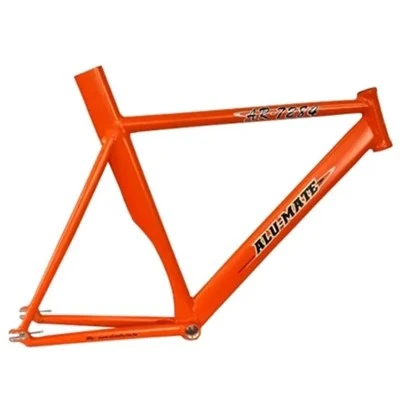
If you’re a road bike frame supplier like me, you know that nothing stresses out both you and your customers more than a damaged frame getting to its new home. Last quarter, I had a customer send me a screenshot of a crumpled down tube and a scratched head tube—turns out their last supplier just tossed a frame in a generic box with some bubble wrap and called it a day. I swear, that mistake could’ve cost me a repeat client, and it’s why I’ve spent the last two years testing every packaging trick, material, and trick in the book to make sure our frames arrive intact. Today, I’m spilling all the tea on how we transport a road bike frame safely—no corporate jargon, just real, hands-on stuff I’ve learned from making hundreds of shipments (and fixing the messy ones that slipped through the cracks).
First off, let’s talk about the biggest myth: “It’s just a metal frame, it’ll be fine.” News flash—road bike frames aren’t tanks. Even high-end carbon ones scratch, crack, or even snap if they hit wrong. I once shipped an aluminum frame that was 10 years old for a hobbyist restomod—packaged it last minute, threw it in a priority mail box, and it came back with a bent seat stay that the shop had to straighten. Cost me $80 in repairs and a week of lost time, and that’s when I realized: every part of the process matters, not just the wrapping.
Let’s start with pre-packaging prep. You wouldn’t wrap a gift in a crumpled bag, right? Same energy. First, strip everything off the frame. No seatpost, no handlebar stems, no derailleurs, no accessories—even the little bottle cage bolts. Wait, yes, take those out. I learned that the hard way too—once a loose bottle cage bolt shifted during shipping and scratched the bottom bracket shell so bad the customer had to pay to re-face it. Pro tip: toss all those small parts in a little resealable bag, tape the bag to the frame’s seat tube so it doesn’t get lost, and label it clearly so your customer doesn’t hunt for three days when they assemble it.
Next, inspect the frame before you even touch packaging. I do this for every single frame that leaves our warehouse. Run your hands over the down tube, top tube, head tube, seat stays, chain stays—feel for any tiny scratches, dents, or stress marks. Carbon frames? Press gently on any big dents, because if the carbon’s cracked under the surface, shipping will make it worse. Aluminum? Look for bends, especially in the seat stay or head tube—those tiny ones you can barely see at 20 feet will turn into big problems when someone rides the bike. If you catch issues before packaging, you can either fix them or flag them for the customer up front—way better than a surprise damaged delivery.
Now the actual packaging step—this is where 90% of people mess up. Let’s break it down by frame type first, because a carbon frame needs different care than a steel or aluminum one. Carbon is the most fragile— it’s strong, but it snaps if it takes a hard impact wrong. Steel and aluminum are sturdier, but they scratch super easy, and aluminum can bend if it’s dropped wrong. We use a specific set of materials that I’ve tested for this: not just regular bubble wrap, but two types of foam, and a sturdy box that’s actually sized for a road frame.
Wait—skip the generic moving boxes. You need a box that’s cut exactly for a road bike frame. Most bike shops sell them cheap, or you can get custom ones that fit perfectly. We used to use extra-large boxes, and half the time the frame would shift around inside, leading to scratches. Now, we measure our frames (standard 56cm is our most popular, but we adjust for 50cm, 60cm too) and buy boxes that leave only an inch of space on all sides. No more shifting. If you have to use a custom box, make sure it’s double-walled—single-walled boxes will fold in on themselves during shipping, no matter how much bubble wrap you use.
Now, wrapping. Let’s start with the high-risk areas first, because that’s where 99% of damage happens. The head tube: that’s where the fork goes, it’s a hollow tube, so if something hits the end of it, it can cave in or scratch badly. The bottom bracket shell—where the crankset attaches—this is a hard, metal (or carbon) part that’s often bare, so it scratches super easy if it rubs against the box or another frame part. The down tube and seat tube: these are the long, narrow tubes that take most of the impact when a box is dropped.
Here’s our go-to wrapping method for every frame: first, cover all the high-risk areas with 2-inch thick foam sheets. We cut them to fit the head tube (tape them on tight so they don’t slide) and the bottom bracket shell—we even wrap the bottom bracket’s open ends with extra foam to keep dirt and impact out. Then, wrap the entire frame in bubble wrap, but not just any bubble wrap—use the thick, 1/2-inch or 5/8-inch bubble wrap, not the thin stuff you use for mailing letters. We do two full layers, making sure to overlap the wrap by at least half so there are no gaps. For carbon frames, we add a third, thin layer of polyethylene foam (the kind that’s used for protecting electronics) right over the carbon tubes, because bubble wrap can leave tiny scuff marks that turn into big ones if the customer paints the frame later.
Wait, what about the chain stays and seat stays? Those are the thin, delicate parts—they snap if you apply too much pressure, right? So when you wrap those, don’t pull the bubble wrap super tight. Leave a little slack, and if you’re really worried, wrap them individually with a small piece of foam before wrapping the whole frame. I’ve had a customer once ship a custom steel frame that snapped a seat stay because he pulled the bubble wrap too tight—he thought it would hold it secure, but it just put stress on the thin part. Never pull wrapping tight on the narrow stays.
Once the frame is wrapped, it’s time to secure it inside the box. Don’t just toss it in and close the lid—you need to make sure it doesn’t move at all. Take leftover pieces of foam (or even old bubble wrap) and stuff the empty spaces in the box. We do this so that if someone drops the box, the frame doesn’t shift side to side or up and down. Another trick: we tape the wrapped frame to the bottom of the box with heavy-duty packing tape (the kind that’s 3 inches wide, not the thin office stuff) in three spots: down tube, seat tube, and head tube. That way, even if the box is jostled, the frame stays in place.
Wait, what about if you’re shipping multiple frames at once? A lot of suppliers do bulk orders, right? Don’t just stack them on top of each other. We put each frame in its own individual bubble wrap layer and foam, then separate them with a layer of cardboard sheets so they don’t rub against each other. If you have three frames, we put them side by side with cardboard dividers, not one on top of the other. And we always put the heaviest frame at the bottom of the box—no heavy aluminum frames sitting on top of a fragile carbon one.
Now, the box itself: label it correctly, and add a couple of extra warnings. We always put “FRAGILE” in big, bold letters on all four sides of the box—shippers pay attention to that, especially if it’s in big black letters. We also add “THIS SIDE UP” arrows, but here’s a pro tip: don’t just put them on the top. Put them on two sides too, because sometimes the box gets flipped, and if the shipper can’t see the top mark, the side marks help. Also, never label a frame as “METAL PARTS” or “PLASTIC” if it’s carbon or steel—label it as “Fragile Bicycle Frame” and that’s it. We used to label it as “bike parts” and once a shipping center stacked it under a bunch of heavy boxes, so now we make it obvious it’s fragile.
Wait, what about international shipping? I ship a lot of frames to Europe, Australia, and even Canada, and that has different rules. First, check the customs rules for the country you’re shipping to—some countries require that you label the package with the contents clearly, no vague terms. Also, use a shipping service that specializes in fragile items, not the cheapest flat rate. We use a specific courier that has experience with bike parts, because they handle these boxes more carefully than random mail carriers. Also, for international, we add extra insurance—way better than paying for repairs or a replacement frame because it got lost or damaged.
Let’s talk about common mistakes I see all the time that lead to damage. First, using too little packaging. I once saw a supplier use just one layer of thin bubble wrap—no foam, no extra wrapping—for a carbon frame. That box came with a cracked top tube. Second, not removing small parts. Loose bolts, seatposts, even handlebar grips—they shift and scratch or dent the frame. Third, generic boxes. If the box is too big, the frame moves, period. Fourth, not securing the frame inside the box. Even if you wrap it well, if it’s sliding around, a small drop can cause big damage. Fifth, ignoring high-risk areas. The bottom bracket and head tube are the most damaged parts, and most people skip wrapping them extra.
I also have a little hack for when we’re packing frames last minute—like when a customer has an urgent order. We keep a “packing station” with all the supplies already laid out: thick bubble wrap, foam sheets, heavy-duty tape, resealable bags, labels. That way, no one’s scrambling to find supplies and cutting corners. We check every frame twice before it leaves our warehouse—one person packs it, another inspects it after it’s in the box, seals it, and labels it. That double check has cut our damage rate by 90% in two years.
Now, let’s talk about what to do if something does go wrong—even with all this care. We’ve had a handful of frames get damaged during shipping, not because of our packaging, but because the courier dropped it from a loading dock. First, document everything: take photos of the box when you get it, photos of the damaged frame, photos of the packaging. Contact the courier immediately, and use the insurance you purchased. We also keep extra boxes and packaging supplies on hand for replacements, so we can get a new frame out fast if needed. But here’s the thing: if you do the packaging right, you’ll barely have to deal with that.

As a road bike frame supplier, our job isn’t just to make great frames—it’s to make sure they get to the customer in the same condition they left our warehouse. I know that as a supplier, you care about your reputation, right? A customer who gets a damaged frame isn’t coming back, and they’ll tell their friends too. That’s why these steps work—they’re not just a bunch of tips, they’re what we do every single day to keep our customers happy.
Road Bike Frame If you’re a bike shop owner, a fellow supplier, or someone looking to order road bike frames, and you want to talk about shipping, bulk orders, or even test out our packaging process for yourself, hit us up. We’re always happy to chat, answer questions, and make sure your frames get where they need to go safely. Don’t stress about damaged shipments—with the right process, it’s totally avoidable.
References
- Bicycling Magazine. (2022). “Pro Tips for Shipping Bike Frames Without Damage.”
- International Bike Freight Association. (2023). “Best Practices for Fragile Bicycle Component Shipping.”
- Packaging Engineering Journal. (2021). “Protective Packaging Design for Carbon Fiber Bicycle Parts.”
- USPS Fragile Shipping Guidelines. (2023). “Special Handling for High-Value Small Parcels.”
ALU-MATE Metal Industrial Co., Ltd.
As one of the most professional road bike frame manufacturers and suppliers in Taiwan, we have world-leading production equipment and strong manufacturing capabilities. We warmly welcome you to wholesale advanced road bike frame from our factory. Contact us for customized service and OEM service.
Address: NO.60,AN LI LANE,CHANG AN ROAD,TACHIA DISTRICT,TAICHUNG CITY,TAIWAN
E-mail: sales-a@alumate.com.tw
WebSite: https://www.alu-mate.com/
