If you’ve ever spent hours curating the perfect contemporary sectional sofa—sourcing sleek lines, modular configurations, and that soft, performance fabric that holds up to both movie nights and daily life—you know how frustrating it is to hit a snag when it comes to getting it from our warehouse to your living room. As a dedicated contemporary sectional sofa supplier, I’ve seen far too many customers try to tackle this transport themselves, only to end up with scuffed armrests, misaligned joints, or even a damaged frame that ruins the whole piece. Today, I’m pulling back the curtain on the science and strategy behind moving a sectional sofa safely, sharing the exact steps our team uses for every delivery, and a few pro tips we’ve picked up after years of working with these unique, space-defining pieces. Contemporary Sectional Sofa
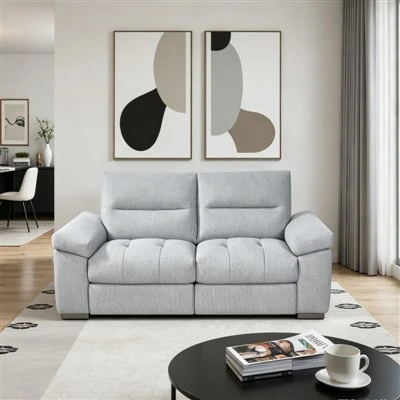
First, let’s start with why sectionals are tricky. Unlike a standard sofa that comes in two neat boxes or fits through a door in one piece, contemporary sectionals are built with modular components that balance flexibility and bulk. Most of our designs (and many on the market today) connect with interlocking metal brackets or hidden latches, and many feature thin, engineered wood frames and delicate details like curved armrests or exposed metal legs. The biggest mistake people make? Treating a sectional like a single, heavy box instead of a set of parts. That’s where our process begins: preparation before you even touch a dolly or a moving truck.
Before any transport, whether you’re doing a DIY move or scheduling a professional delivery, there’s three non-negotiable checks to complete. First, measure twice—yes, I know that’s a cliché, but it’s the most important part. We’ve had customers order a modular sectional, then realize it won’t fit through their front door, hallway, or even their elevator. Don’t just measure the door frame width—include the height (diagonally, if you’re moving it through a stairwell) and any tight turns. For example, a 120-inch-wide sectional might fit through a 36-inch front door if you tilt it at a 45-degree angle, but if your hallway has a 90-degree corner with only 38 inches of clearance, even that won’t work. We always recommend adding 2 inches to every measurement to account for the sofa’s frame and any packaging padding.
Second, take a photo of the connections before you disassemble anything. I can’t stress this enough. When we assemble our sectionals, the interlocking brackets and latches have a specific alignment: the left module’s bracket slides into the right module’s slot, and the leg holes on each piece line up with the frame. If you disassemble and forget which part goes where, you’ll spend hours fumbling to put it back together, and you might even strip a screw or bend a bracket. Snap a clear photo from eye level, or make a small mark with masking tape on the front of each module to note its position (labeling them “Left,” “Right,” and “Center” with a marker works too—no one will see the tiny mark once the sofa is in place).
Third, gather the right tools and supplies. You don’t need a full moving truck’s worth of gear, but skipping these will lead to scratches or damage. For disassembly, you’ll need a Phillips-head screwdriver (most sectionals use #2 or #3 bits) and a rubber mallet (to tap brackets loose without bending metal). For protection, grab moving blankets, shrink wrap, and packing tape—avoid old bed sheets, which can snag on fabric or wooden frames. For moving, you’ll need at least two strong people and either furniture sliders (for hard floors) or a dolly with a strap (never use a regular hand truck, as it can damage the sectional’s legs or armrests).
Now, let’s break down the step-by-step process, starting with disassembly—this is the most critical part of transporting a contemporary sectional, and it’s where our team spends the most time to avoid mistakes.
Step 1: Disassemble the modular components properly. Start by removing all removable parts: the seat cushions, back cushions, and any decorative throw pillows. Set these aside in a safe, soft spot (never stack them on a hard floor, as they can get compressed or stained). Next, locate the connection points. Our sectionals use either metal interlocking brackets (hidden under the base of the modules) or plastic cam latches (on the side edges). For metal brackets: hold one module firmly, and have a partner tap the side of the adjacent module with a rubber mallet to loosen the connection—never pry with a screwdriver, as this can scratch the metal or the fabric. For cam latches: use your screwdriver to twist the cam until it’s loose, then slide the two modules apart slowly. Once separated, remove the legs if they’re removable. Most contemporary sectionals have screw-in legs, which are easy to take off—just wrap each leg in a small piece of moving blanket and label it so you don’t lose them.
Step 2: Protect each component to prevent damage. Contemporary furniture is designed to look sleek and minimal, which means details like exposed wood grain, thin metal, and performance fabrics are easy to scuff. Wrap each module in a moving blanket, starting with the edges and corners (the areas most likely to hit walls or door frames). Use packing tape to secure the blanket—only tape the edges, not the fabric itself, as adhesive can leave a residue. For modules with curved armrests or exposed metal legs, add extra layers of blanket to cushion the curves. If you’re transporting in a truck, shrink wrap each wrapped module to hold the blanket in place and prevent shifting during the drive. We also recommend covering the top of each module with a flat sheet of cardboard if it’s going to be stacked, which adds an extra layer of protection.
Step 3: Move the components with care. When lifting, always lift with your legs, not your back—modular sections of a contemporary sectional typically weigh between 70 and 150 pounds each, so bending over to lift can lead to injury. For smaller modules (like a corner wedge or an armless chair), you can carry them solo, but for larger pieces, have two people grab the sides (under the armrests, never by the seat frame) and lift together. If you’re using a dolly, place the module on its side (never upright, as this can strain the frame) and secure it with a strap to keep it from sliding. For tight spaces like stairwells or narrow hallways, tilt the module at a slight angle to navigate corners, but never twist it sharply—this can loosen the frame or pull apart hidden connections. If you’re moving through a doorway, make sure the top of the module doesn’t hit the doorframe, and if there’s a threshold, lift the module slightly to avoid scraping the base.
Step 4: Assemble the sectional in your space correctly. Once you’ve moved all the modules into your room, don’t rush to put it back together. First, test the floor plan: arrange the modules on the floor in their desired positions to make sure they fit, and leave 3 to 4 inches of space between the sectional and the wall (for ventilation and to avoid scuffing the wall). When assembling, align the connections exactly as they were before disassembly—use the photo you took earlier to match the brackets or latches. Tighten the cam latches or brackets firmly, but don’t over-tighten, as this can crack the frame. Reattach the legs, then put the seat and back cushions in place. For extra stability, we always recommend tightening any exposed screws or brackets that might have shifted during transport.
Now, a few common mistakes we see that can ruin a contemporary sectional, and how to avoid them. First, don’t drag the sectional across the floor. Even if you use furniture sliders, dragging can scratch the base of the modules or loosen the frame joints. Always lift when possible, and use sliders only for gentle sliding on flat, even surfaces. Second, don’t stack heavy items on top of the sectional during transport. Things like boxes of books or tools can dent the frame or compress the cushions, so keep the truck bed clear of heavy items near your furniture. Third, don’t ignore climate control. Contemporary sectionals often use performance fabrics or engineered wood frames that can be damaged by extreme temperatures—if you’re transporting in a hot truck on a sunny day, keep the modules shaded, and if it’s cold, avoid leaving them in the cold for more than a few hours, as this can make the wood brittle.
If all this sounds too complicated, our team is here to help. As a contemporary sectional sofa supplier, we offer white-glove delivery services that handle every step: disassembly, transport, and professional assembly in your home. We take extra care with our designs because we know that a sectional isn’t just furniture—it’s the center of your living room, where you host gatherings, relax after work, and make memories. We’ve spent years perfecting our transport process, working with hundreds of customers to make sure their sectionals arrive in perfect condition, and we’re happy to walk you through any step if you choose to handle it yourself.
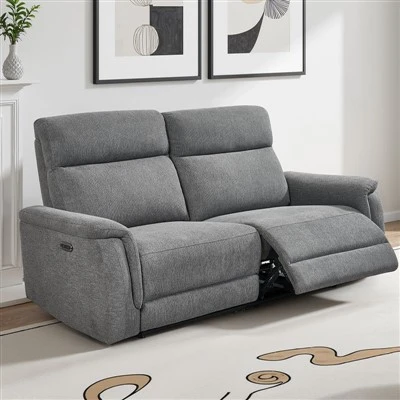
If you’re ready to add a sleek, contemporary sectional to your home, or if you’re looking for more tips on transport and care, get in touch with our team to discuss your needs. We’re here to answer your questions, help you choose the right modular configuration for your space, and make sure your furniture arrives safely and exactly as you imagined.
Modern Sofa References
- Furniture Industry Research Association. (2021). Best Practices for Transporting Modular Seating. Retrieved from industry research guidelines for residential furniture delivery.
- National Association of Movers. (2022). Safety Guidelines for Moving Heavy Household Furniture. Retrieved from professional moving standards for modular components.
- Modern Furniture Manufacturers Association. (2020). Care and Handling Recommendations for Contemporary Upholstered Pieces. Retrieved from industry standards for protecting sleek, minimal designs during transport.
- University of Minnesota Extension. (2019). Tips for Measuring Furniture to Ensure Doorway and Space Compatibility. Retrieved from residential space planning resources.
- American Society of Testing and Materials. (2021). Standard Specification for Structural Integrity of Modular Upholstered Furniture. Retrieved from quality standards for frame and connection durability.
Huizhou Ramson Technology Co., Ltd.
Huizhou Ramson Technology Co., Ltd. is one of the most professional contemporary sectional sofa manufacturers and suppliers in China, also supports customized service with low price. Please feel free to wholesale bulk classy contemporary sectional sofa from our factory. Contact us for pricelist.
Address: Building 3-4, Changlonggang Industrial Park, Tiantou Village, Shatian Town, Huiyang District, Huizhou City, Guangdong Province
E-mail: jscsofa@jsc-furniture.com
WebSite: https://www.jsc-sofa.com/
