If you’re running a fleet—whether it’s delivery vans, long-haul trucks, or passenger shuttles—your biggest challenges aren’t just on the road. They’re in the quiet moments between routes, when you’re trying to parse vague driver logs, track unplanned downtime, or guess when a maintenance bill will land. For years, my team has built instrument panel systems (IPS) for fleets, and what I’ve learned is this: the instrument panel isn’t just a collection of gauges and warning lights. It’s the nervous system of your entire operation, turning messy, scattered data into something you can act on. Let me break down how that works, and why a purpose-built IPS can turn average fleet management into proactive, cost-saving success. Instrument Panel Systems
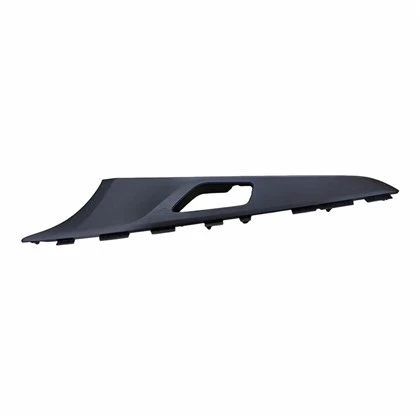
A few years back, I sat across from a regional logistics manager who’d just lost $120,000 in a single quarter. When I asked why, he pulled out a stack of driver trip logs and maintenance receipts: his trucks were breaking down mid-route because a simple oil pressure warning had been overlooked; drivers were taking unauthorized detours, eating into fuel budgets, because there was no real-time way to track their location; and he’d wasted two days rerouting drivers because he had no clue which trucks were available for last-minute jobs. That was before he upgraded to a custom IPS, and it’s the kind of pain point that shows up for every fleet, no matter the size.
Generic aftermarket dash solutions often feel like a Band-Aid. They tack on a few extra screens, maybe a basic GPS, but they don’t talk to the rest of your fleet’s systems. A real instrument panel system for fleets is integrated. It’s built to pull data from engine control units (ECUs), telematics modules, and even driver-facing sensors, all organized into a dashboard that your managers and drivers actually use. Let’s start with the most immediate win: reducing unplanned downtime. Unplanned breakdowns are the single biggest drain on fleet revenue. The American Trucking Associations estimates that unscheduled maintenance costs long-haul fleets an average of $400 per truck per day, not to mention the lost revenue from delayed deliveries. A modern IPS fixes this by turning reactive warnings into actionable alerts. Instead of a tiny check-engine light that a driver might ignore during a busy route, a good IPS sends a push notification to the fleet manager’s phone with specific details: “Truck 17’s coolant temperature is 22 degrees over the limit; recommended to pull in at the next rest stop.” For smaller fleets, this is even more impactful—if you only have 5 trucks, losing one for a day isn’t just a line item; it could mean missing a critical customer deadline. We worked with a 12-truck courier company last year that used our IPS to cut unplanned breakdowns by 28% in six months, simply by catching small issues before they turned into large ones.
Next, there’s fuel efficiency. Fuel is often the second-biggest expense for fleets, after labor. The Department of Energy says that poorly maintained trucks can use 10-15% more fuel than necessary, and aggressive driving (speeding, harsh braking, idling) adds another 20% or more. A specialized IPS doesn’t just show a driver how much fuel is in the tank—it tracks how they’re using it in real time. For example, our systems log idling time, speed, and acceleration, and send gentle alerts to drivers when they’re wasting fuel. We also integrate with route planning software, so a manager can see if a driver is taking a longer, less fuel-efficient route, and adjust it mid-trip. One of our municipal transit clients reduced their annual fuel costs by 12% after implementing our IPS, mostly by cutting idle time during off-peak hours—something their old dashboards never tracked. What’s more, the data from the IPS doesn’t just help you adjust driver behavior; it helps you spot trends across your entire fleet. If three different trucks in the same model group are showing higher fuel consumption than the average, that’s a sign of a small mechanical issue, not just bad driving, which saves you from spending money on unnecessary driver training.
Then there’s compliance. For fleets, staying on the right side of regulations isn’t optional. Hours of Service (HOS) rules for commercial drivers, emissions standards, and even local weight limits add layers of complexity that can get expensive if you miss a deadline. A modern IPS automates a lot of this work, so you don’t have to rely on drivers to log hours manually (a process that’s ripe for error). Our IPS syncs with electronic logging devices (ELDs), which are required for most commercial fleets in North America, to track drive time, rest breaks, and vehicle movement automatically. That means no more handwritten logs that get lost or misread, and no more fines for falsifying or forgetting to submit HOS records. We also build emissions tracking into our systems, which is critical for fleets operating in cities with strict low-emission zones. A driver gets an alert when they’re approaching a zone that requires them to switch to electric mode, and the manager gets a weekly report on emissions performance, making it easy to stay compliant without extra paperwork.
Wait, let’s talk about driver experience, because that’s a piece that’s often overlooked in fleet management. A lot of fleets see drivers as just another variable, but high turnover costs fleets thousands of dollars a year—recruiting, training, and onboarding new drivers can add up to $5,000 or more per driver, according to the National Private Truck Council. A good IPS makes a driver’s job easier, not harder. Instead of a cluttered dash with 10 different warning lights, a custom IPS organizes information in a way that’s easy to read while driving. It shows route directions, fuel stops, and HOS breaks right on the dash, so a driver doesn’t have to look down at a separate phone or screen. We’ve heard from dozens of drivers that our system reduces distracted driving, because all the information they need is in one place. That translates to happier drivers, lower turnover, and less chance of accidents. One of our delivery fleet clients told us that after implementing our IPS, their driver turnover dropped by 18% in a year—directly because drivers said the system made their jobs less stressful.
Of course, every fleet is different. A 5-truck local delivery business has very different needs than a 100-truck long-haul operation, or a municipal fleet with passenger shuttles. That’s why we don’t sell one-size-fits-all IPS solutions. When a client comes to us, we start by auditing their current pain points: are they struggling with breakdowns? Fuel costs? Compliance? Driver turnover? Then we build a system that integrates with their existing software—telematics platforms, route planning tools, maintenance management systems—instead of making them adopt new tools. A common mistake we see is fleets buying a generic IPS that doesn’t work with their current setup, which leads to more work and more frustration. We prioritize integration above all else, because our goal is to make fleet management simpler, not more complicated.
Let’s go back to that first logistics manager I mentioned. After that initial meeting, he worked with our team to build a custom IPS. We integrated it with his existing telematics system, added real-time maintenance alerts, and a simplified HOS log for his drivers. Within six months, his unplanned downtime dropped by 32%, his fuel costs fell by 14%, and he was able to reduce his administrative staff by one person, because the system automated most of the log and compliance work. He told me it was the best investment he’d made all year. That’s the kind of result that makes the work we do matter.
I want to be clear: an instrument panel system isn’t a luxury. It’s a core tool for modern fleet management. As fuel prices rise, regulations get stricter, and customer expectations for on-time deliveries get higher, you can’t afford to manage your fleet with 10-year-old dashboards and handwritten logs. The data your fleet generates is one of your most valuable assets, and a good IPS turns that data into actionable insights that save you time, money, and stress.

If you’re a fleet manager looking to reduce costs, cut downtime, and make your operations more efficient, we can help. Our team has decades of experience building custom instrument panel systems for fleets of all sizes, from small local businesses to large national operations. We’ll work with you to assess your specific needs, build a system that integrates with your current tools, and provide ongoing support to make sure it works for you. Don’t wait until another breakdown or missed deadline costs you thousands—reach out to our team to discuss how an instrument panel system can transform your fleet management.
Bumper Systems References
American Trucking Associations. (2022). Unscheduled Maintenance Costs for Commercial Fleets.
U.S. Department of Energy. (2023). Fuel Efficiency Improvements for Commercial Vehicles.
National Private Truck Council. (2021). Driver Turnover Costs in the Private Fleet Industry.
Hebei Xiujie Auto Parts Co., Ltd.
As one of the most professional instrument panel systems manufacturers and suppliers in China, we have world-leading production equipment and strong manufacturing capabilities. Please feel free to wholesale bulk customized instrument panel systems from our factory. Contact us for quotation and free sample.
Address: Industrial New Area, Wen’an County, Langfang City, Hebei Province (State-run Xiaowu Farm)
E-mail: runtaoli87@gmail.com
WebSite: https://www.xiujie-cn.com/
