If you’ve ever wandered through a fabric showroom or Googled materials for a new project, you’ve probably stumbled on polyester, and one question pops up again and again: Is polyester a woven fabric? As a third-generation woven fabric supplier with 18 years of experience in the industry, I get asked this at least once a week—and the answer isn’t as straightforward as you might think. Let me break it down, skip the textbook jargon, and pull back the curtain on what this really means for your next order. Woven Fabric
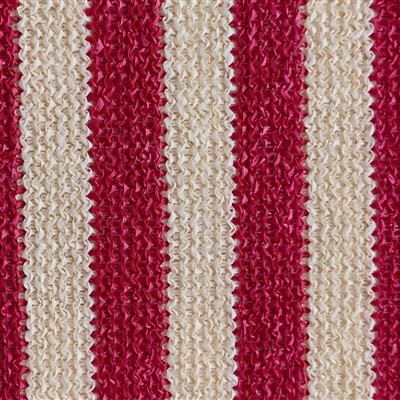
First, let’s get the basic definitions straight, because that’s where most of the confusion starts. Polyester is not a fabric type—it’s a synthetic fiber, made from petroleum-based polymers that get spun into long, strong threads. Woven fabric, on the other hand, describes how those threads are put together: two sets of yarn, called warp (the lengthwise threads) and weft (the crosswise threads), crisscrossed over and under each other on a loom to make a tight, interlocked structure. So polyester is a fiber that can be woven—but it’s also used for knitting, non-woven materials, and even blended with natural fibers like cotton or linen.
A lot of new customers mix these up because they see “polyester” labeled on everything from dress shirts to upholstery. I once had a small boutique owner call me panicking, saying she’d ordered “100% polyester woven table linens” and they arrived as stretchy, knit fabric that wasn’t what she needed for her formal events. Turns out, the supplier she’d worked with didn’t clarify that polyester can be made into multiple fabric constructions—something we never skip on our product descriptions. That story stuck with me, because it’s exactly why clarity around this question matters.
Now, let’s talk about why polyester woven fabric is such a staple for our clients, because that’s the part that matters most beyond the technical definition. As a woven fabric supplier, we weave polyester yarn every single day, for dozens of different end uses, and it’s one of our most versatile materials. The warp and weft crisscross of woven fabric gives it properties that knit polyester can’t match: it’s less stretchy, more dimensionally stable (so it doesn’t sag out of shape over time), has a crisp hand feel, and holds prints or dyes more evenly because the tight weave doesn’t let color bleed like some knit structures.
For example, we supply 100% woven polyester to a uniform manufacturer for hospital scrubs and corporate workwear. That woven polyester is durable enough to hold up to 50+ industrial wash cycles, resists wrinkles (a huge win for employees who are on their feet all day), and stands up to stain treatments. We also weave blended polyester fabrics—80% polyester, 20% cotton—for retail dress shirts. The polyester adds strength and wrinkle resistance, while the cotton softens it so it’s not as scratchy as 100% woven polyester.
But here’s the thing woven fabric is all about: the weave itself, not just the fiber, dictates most of the fabric’s behavior. If you weave polyester yarn using a plain weave (the most basic over-under pattern), you get a lightweight, semi-sheer fabric perfect for linings or window curtains. A twill weave (the diagonal pattern you see on denim) makes a sturdier, more abrasion-resistant polyester fabric ideal for outdoor gear like backpacks or patio cushions. A satin weave, where weft threads float over multiple warp threads, gives a smooth, lustrous polyester that’s used for formal wear like bridesmaid dresses or evening gowns.
I often get asked if woven polyester is better than other woven natural fibers like cotton, and the answer is it depends on the use case. For upholstery that needs to resist spills and fading from sunlight, woven polyester beats cotton every time—polyester is UV-resistant, doesn’t absorb water (so spills wipe right off), and doesn’t mildew when exposed to moisture. We had a client who runs a coastal furniture line switch from woven cotton to our woven polyester marine-grade fabric after their outdoor sofas started fading and developing mildew after one summer near the beach. They came back this year to order 12,000 yards for their new line, saying the polyester fabric was worth every penny.
That said, woven polyester isn’t the right choice for every project. If you’re making a soft, breathable t-shirt that’s meant to feel lightweight in hot weather, a woven fabric (even polyester) won’t be as comfortable as a knit polyester or a cotton jersey knit. Woven fabric is typically stiffer than knit fabric, so it’s not ideal for close-fitting apparel that needs to stretch. And if you’re looking for fabric that’s fully natural with no synthetic fibers, woven polyester is out—though we do offer woven blends with other natural fibers for those clients.
A common myth we hear is that woven polyester is cheap, low-quality fabric. While it’s true that there are low-grade polyester woven fabrics on the market that use thin, weak yarns and a loose weave, not all woven polyester is the same. As a supplier, we source our polyester yarn from reputable mills that produce consistent, high-tenacity (strong) yarns, and we adjust our weave tightness based on the client’s needs. For example, a woven polyester for outdoor upholstery has a thread count of 150 or higher, while a woven polyester for dress lining might be 80 or lower. The thread count, weave pattern, and yarn thickness all make a bigger difference in quality than the fiber itself being polyester.
I think the confusion around “is polyester a woven fabric?” comes from two places: first, how common it is to use polyester across multiple fabric constructions, and second, how suppliers sometimes use vague labeling. At our company, we make a point to label every product clearly, specifying both the fiber content and the construction—so if a customer wants woven polyester, they don’t accidentally get knit polyester. We also offer samples for every woven fabric we sell, so clients can feel the difference between woven and knit polyester before placing a large order.
Last year, a small fashion designer reached out to us because she’d been burned by a supplier that sold her “woven polyester fabric” that was actually a cheap, non-woven material that fell apart after a few washes. She needed a polyester woven fabric for a line of structured tote bags, and when she got our sample, she told us she could immediately tell the difference: our woven polyester had a distinct interlocked texture, felt sturdy, and didn’t tear when she pulled on it. That order turned into a repeat client who now uses our woven polyester for all her structured apparel and accessory lines.
So to circle back to the original question: Polyester is not inherently a woven fabric, but it is a fiber that is regularly woven into high-quality, versatile woven fabrics. The key distinction is between fiber (what the fabric is made of) and construction (how the fabric is made). If a project calls for a fabric that’s strong, dimensionally stable, wrinkle-resistant, and long-lasting, woven polyester is almost always going to be a top choice—especially when it’s woven with attention to detail, as we do here.
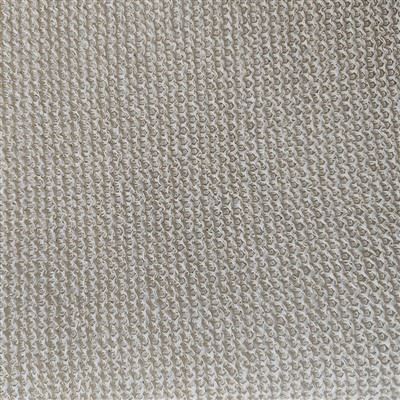
If you’re working on a new project, whether that’s apparel, upholstery, uniforms, or home goods, and you’re trying to figure out if woven polyester is the right fabric for you, or if you need a different construction, we’re here to help. We specialize in custom woven fabrics, and we can work with you to source the perfect yarn, weave pattern, and properties to meet your exact needs. Whether you need a bulk order of standard woven polyester or a custom blend woven fabric for a one-of-a-kind line, we can deliver high-quality, consistent woven fabrics that fit your budget and timeline. Reach out to our team to discuss your project today.
Sun Shade Fabric References
- Textile Institute. (2020). Fiber to Fabric: A Guide to Textile Classifications. Manchester: The Textile Institute.
- Oakley, E. (2019). Synthetic Fibers in Woven Constructions: Performance and Applications. Journal of Textile and Apparel Technology and Management, 11(2), 1-12.
- American Association of Textile Chemists and Colorists. (2021). Woven Fabric Standards and Testing Methods. Research Triangle Park: AATCC.
Nanping Kingway New Material Co., Ltd.
As one of the most professional woven fabric manufacturers and suppliers in China, we also support customized service. With abundant experience, we warmly welcome you to wholesale durable woven fabric in stock here from our factory. If you have any enquiry about pricelist, please feel free to email us.
Address: No.10, Chengnan Branch Road, Chengjiao Town, Nanping, Fujian, China.
E-mail: npjwxcl@aliyun.com
WebSite: https://www.suernew.com/
